![PortStrategy[GreenPort]](https://www.portstrategy.com/wp-content/uploads/2026/09/PortStrategyGreenPort.svg)




NO TO REGULATION BUT YES TO DATA COORDINATION INITIATIVE FROM FMC
By the time that this column appears, the situation in Ukraine could have stabilised, or gotten much worse; it’s impossible to forecast.
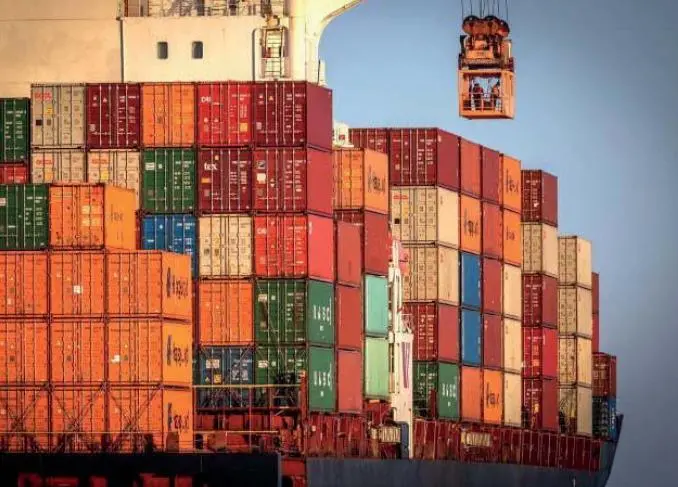
By the time that this column appears, the situation in Ukraine could have stabilised, or gotten much worse; it’s impossible to forecast. Supply chain issues, already a top headline for the past year and a half, will likely remain, as trade fl ows shift around (likely exacerbated by the Ukraine situation). Twists and turns not imaginable at the turn of the year could bring further disruptions- stretching capacity through “inefficiencies”.
The transport chain, where ports are a vital link, has become highly politicised. I have watched the efforts of U.S. governmental entities looking at parts of the maritime business. The cargo interests do much more talking than the carriers (still secretive, though some have ramped up their media efforts), so it’s not surprising which direction Washington, DC is taking.
Enforcement actions – maybe (if there are indeed clear infractions), but longer-term actions that would distort and contort the playing field- I am not so sure about. I believe in market mechanisms – which, like them or not, have gotten us to where we are now (after many years of the cargo side being on top).
Markets have a funny habit of reversing, so enacting rules to stifle carriers will just put regulations on the books that will only need to be modified two years out when a flood of new vessel deliveries creates more capacity.
While I give the FMC’s efforts (maybe teaming up with the U.S. Department of Justice) at chastising the carriers (now benefitting from a tight market) a low mark, I do commend the FMC for its efforts to look into wide-ranging matters connected with “data”.
The FMC’s data project comes at a time when we are already seeing efforts on the part of ports to look beyond their own geographies, and to increase cooperation. These actions by the ports could provide a rough foundation for efforts towards optimising cargo flows on a broader regional basis. With likely switch-arounds as a result of – and in the wake of – the ongoing hostilities in Ukraine, the need to get out in front of supply chain bumps will be demonstrated again. Competition between ports is not necessarily a bad thing; however, the potential benefits of coordinating the logistics side of future goods movements better than has been done historically are manifestly apparent; at least to me.
My liner shipping friends are telling me that more cargo movements are shifting to lengthy multi-year contracts, rather than purely spot bookings. This trend, if it’s true, could better facilitate longer-term planning for all concerned including ports. Data coordination will be an integral aspect of ports working together, with FMC’s efforts, representing a “baby-step” in this direction. They are not the “Moon-shot” that I have advocated, but are still to be lauded.
Related Articles
 INSIGHT & OPINION
 INSIGHT & OPINION
 INSIGHT & OPINION