![PortStrategy[GreenPort]](https://www.portstrategy.com/wp-content/uploads/2026/09/PortStrategyGreenPort.svg)



POST-PANDEMIC – “NEW NORMAL” OBSERVATIONS
COMMENT: The late and great baseball player/philosopher Yogi Berra once opined, “It’s very difficult to predict what might happen….especially in the future, writes Barry Parker.
Ports have always grappled with uncertainties but, like every other aspect of business, the “what if” considerations seem greater now than anytime in recent memory.
Not surprisingly, cargo flows are down along all the coasts, and the voyage to recovery will likely occur in fits and starts, rather than being a smooth transition back to normal.
Perversely, times of economic sluggishness work to the benefit of infrastructure projects that were funded and already in progress (or about to start) prior to the onset of shutdowns in mid-March.
Around New York, certainly, transit projects and notably, the rebuilding of La Guardia Airport (also within the remit of the Port Authority) have seen faster timeframes than otherwise. Where maritime infrastructure is concerned, the wheels turn more slowly but, where possible, planners could consider accelerating works that are in progress.
A trend already in place before the pandemic, loosely described as “re-shoring”, will likely continue- opportunities around the waterfronts (foreign trade zones come to mind) could continue to play an important role, as patterns re adjust.
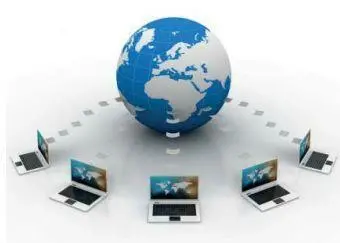
Another proverb, this one not from Yogi, says something like “Disruption brings opportunity…” or something like that. The reduced flows, and the changes in patterns, may also present opportunities to look more closely at digitalisation, where all aspects of operations around the port can be better integrated with exogenous supply chains.
One bigger trend emerging from the pandemic, “work at home”, does not apply so much to mission critical (indeed “essential” per all levels of government) businesses around ports and terminals.
,But “work at home” has been part and parcel of a broader affirmation that digital processes, with all forms of “remote access,” are vital. The “remote” theme also provides opportunities.
Securities analyst Amit Mehrotra, from Deutsche Bank, well known to anyone following listed transport companies, in highlighting post pandemic trends for investor clients, observed, “…the more convinced we are of acceleration in e-commerce trends and the impact it has on global supply chains.”
I will leave the specifics of linking broader cargo movement data with local systems to the experts on such matters, but such observations should not go unnoticed by planners seeking to keep their ports integral to cargo flows.
Related Articles
 INSIGHT & OPINION
 INSIGHT & OPINION
 INSIGHT & OPINION