



Putting ports top of mind
COMMENT: Because of New York’s vastness, when the talks turns to the seaport aspects the maritime and shipping angle tends to be drowned out by airports, tunnels and property — where the Port Authority of New York and New Jersey (PANYNJ) has a significant franchise, writes Barry Parker.
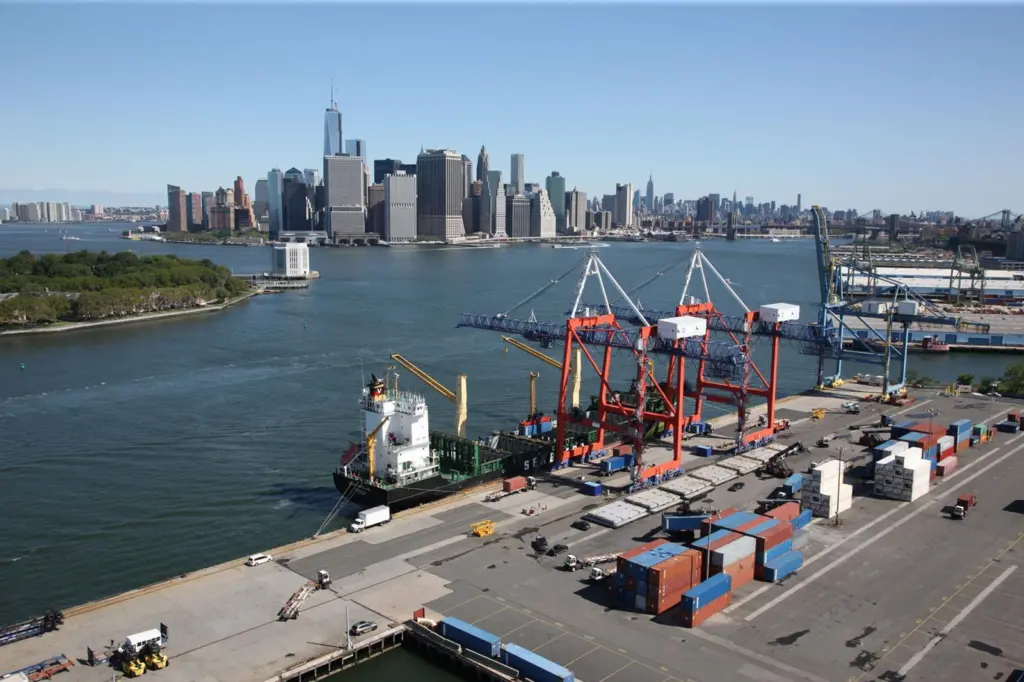
Other ports may have their own versions of this dichotomy, where the importance of maritime activities is not properly recognised, though anecdotally it’s more severe here. The applicable cliché is something like “out of sight, out of mind”.
Happily, one group, New York Maritime, working in close partnership with Capital Link (an investor relations specialist for shipping companies and, increasingly, a media outlet/conference organiser) has made a big success in bridging the gap. In between the conference panels on international bank lending to shipowners, ship leasing and the like at Capital Link’s Maritime Forum, in early October, several sessions showcasing the local port’s side of the house point the way towards a “top of mind” port — rather than one that’s “out of sight.”
Bethann Rooney, a top executive in PANYNJ’s port department, talked about the welcoming approach to trade, telling the audience: “The port is booming … with container flows up 7% year-on-year.” She added that concerns about trade wars and tariffs have not yet impacted flows: “We’ve not seen negative impacts [from tariffs] and quite frankly, we don’t expect to see any.”
She went on to talk about the ability of terminal operators with a landlord port arrangement to be able to handle surges in activity as bigger ships call. A subsequent panel, detailing the local investments being made to build infrastructure that supports new ways of distributing freight, featured executives from container terminals in Red Hook, Brooklyn and Staten Island, all closer to population centres than the major hubs around Port Newark on the New Jersey side.
Ms Rooney also touched briefly on the local ‘Marine Highway’ initiatives being developed. A later panel explained ‘Freight NYC’, a New York City program where local cargo movements by rail and now waterborne barging around the city are tied to job development, reduced congestion on roadways well above their capacities, and reduced emissions.
The Capital Link program highlighted an excellent messaging program for local ports. Of course, the economic good news is vital, but the adaptations to burgeoning lifestyle changes — think of online buyers and their demands for quick deliveries — highlight the great relevance of port activities. And the ability of barging to help ameliorate interminable delays because of truck traffic are a benefit that will resonate very broadly with the local population.
Related Articles
 INSIGHT & OPINION
 INSIGHT & OPINION
 INSIGHT & OPINION