




A oily mess by anyones standards
The latest monthly report from the Organisation of Petroleum Exporting Countries forecasts 2012 demand as 88.9m barrels per day (bpd), up slightly on a previous estimate of 88.87m bpd.
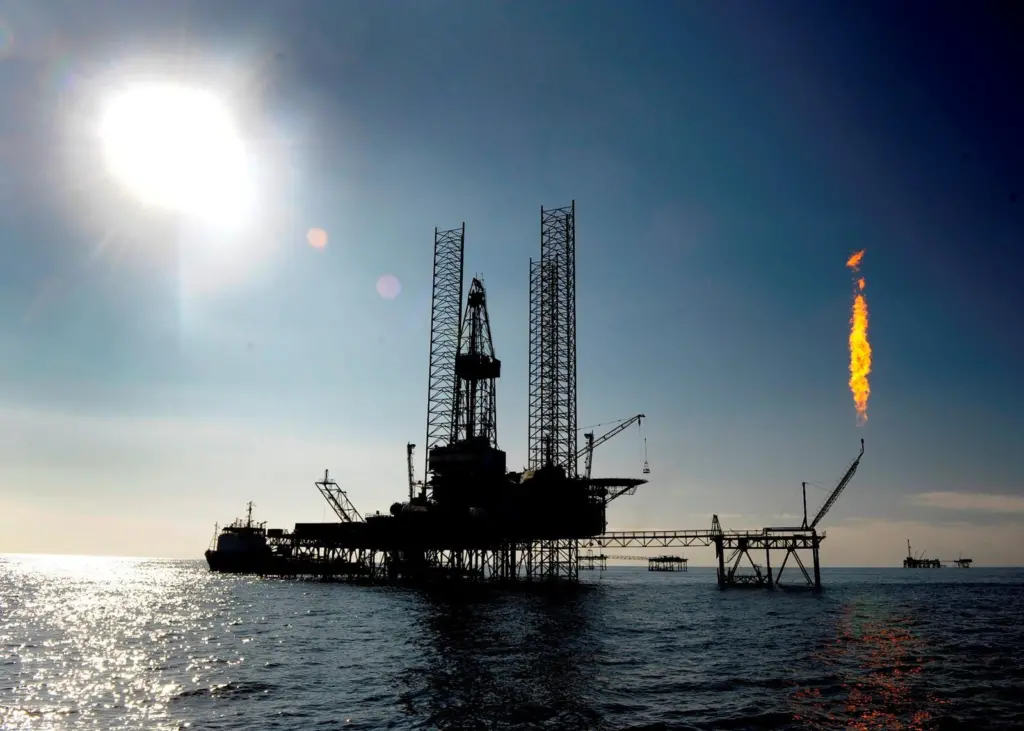
The report also identifies the ongoing Euro zone debt crisis as the biggest threat to the global economy and, as a result, to the oil market.
“So far,” said OPEC, “it has had little impact on market fundamentals in other regions. However, if the situation were to worsen, the effect on the oil market could be seen not only through a further decline in oil demand in Europe but also with spill-over effects on oil demand in the emerging economies.”
Also now in the picture so far as potential disruption in the oil markets is concerned are Nigeria and Iran.
In late January oil prices rose off the back of potential supply disruptions in Nigeria and Iran.
The turmoil in Nigeria that followed President Goodluck Jonathan’s announcement that fuel subsidies would be removed has been followed by a wave of civil unrest originating from economic, political and religious grievances. A central feature of this has been the growing threats by the Boko Haram group of religious cleansing and an increasing number of attacks in Nigeria’s northeast.
There is a growing consensus that Africa’s top oil producer and most populous nation is buckling under the weight of internal conflict. The consequences of this for oil supply and the global oil price are ominous.
The Iran situation is hardly better. The US and EU are applying sanctions against Iran as a result of a perceived nuclear threat. Iran has responded by making explicit threats to close the Strait of Hormuz through which tankers carrying 17m barrels of oil pass every day, accounting for 35% of the world’s seaborne crude shipments. At its narrowest point, located between Iran and Oman, the Strait is only 21 miles wide.
Iran has also issued warnings, in no uncertain terms, to its Arab neighbours not to increase their respective oil outputs to compensate for any lack of supply from itself.
The potential disrupted oil markets have to further destabilise an already volatile global economic scene should not be underestimated.