






A public-public partnership?
COMMENT: Irony of ironies, in among the host of bidders whose names appear in conjunction with the privatisation of the Mombasa container terminal is Transnet, the government body responsible for the management and operation of South Africa’s ports, writes Mike Mundy.
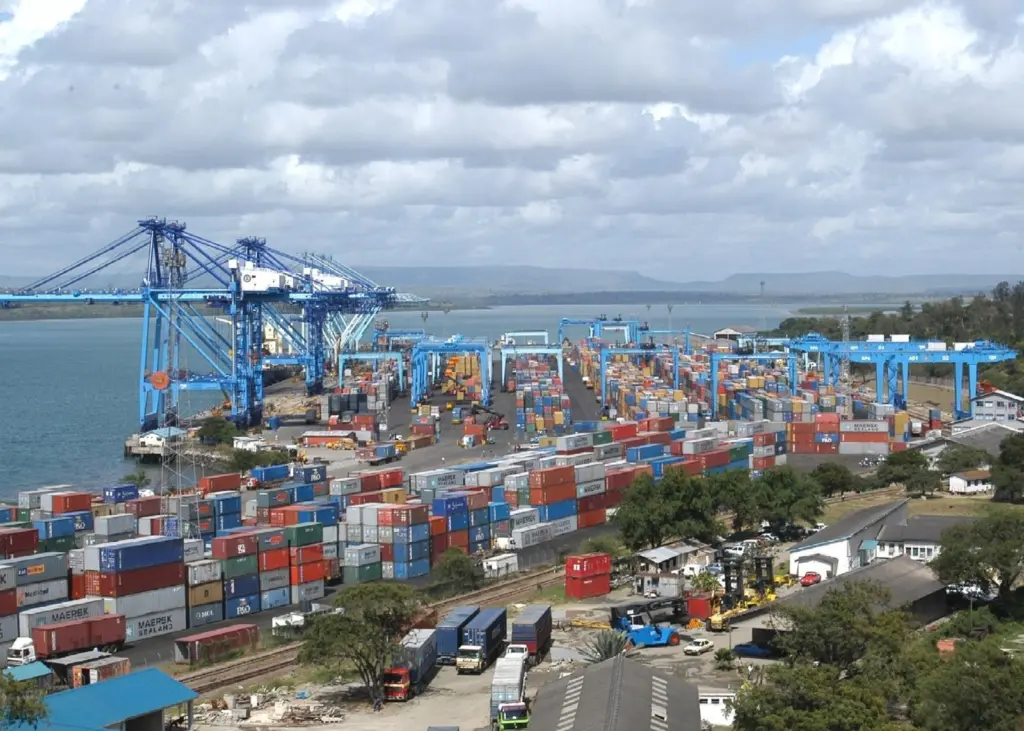
It has to be a first in the ports sector: a public sector company pursuing a public-private partnership or rather a version of this that through its participation would make it a public-public partnership. The purist has to ask, should this be allowed? After all, the inherent assumption in matters of privatisation is that the private sector can do it better. Is Transnet an exception to this rule in the word of ports? The consensus of opinion suggests it is not.
Equally, it is even more ironic that this initiative on the part of Transnet is taking place in the wake of a February 2015 report entitled ‘Review of Regulation in the Ports Sector’, produced by South Africa’s Centre for Regulation & Economic Development (CRED), and which includes in its findings various facts that point to Transnet behaving as a monopoly and not by any stretch of the imagination a ‘free thinking commercial enterprise’.
“The study (Global Port Pricing Comparator Study undertaken by the Regulator),” says CRED, “confirmed the view that South African ports are expensive. High port prices coupled with inefficiency, are seen as factors that are contributing to rising cost of doing business in South Africa. The Regulator,” highlights CRED, “noted that the findings of its study ‘provide a reason to assess and shift port pricing in a direction that better reflects the global reality and actually aligns with South African economic structure, economic policy, industrial policy and economic development policy.’ (National Ports Regulator 2012:11).” Against this background, it further notes, Transnet has actually commenced work on a new commodity focused tariff structure set for introduction in 2015/16.
Also the CRED report points out that the mooted separation of the Transnet National Port Authority (TNPA) and Transnet Port Terminals (TPT), a major provider of port services, is still a work in progress. CRED sees the potential for this to happen in the immediate future as limited due to funding arrangements. It also highlights the fact that there is a major conflict of interest in allowing TNPA to regulate TPT, and to restrict access to TPT’s competitors.”
Given realities such as these, is Transnet really suited to taking its know-how overseas? Perhaps it should put its own house in order first.