![PortStrategy[GreenPort]](https://www.portstrategy.com/wp-content/uploads/2026/09/PortStrategyGreenPort.svg)



NO TO EASY GATES TO GO THROUGH
COMMENT: It is interesting to note that the latest UNCTAD Review of Maritime Transport highlights what it sees as the plight of small island states (SIDS), buffeted under the impactof the pandemic and subject to regular shocks as a result of climate change. writes Mike Mundy.
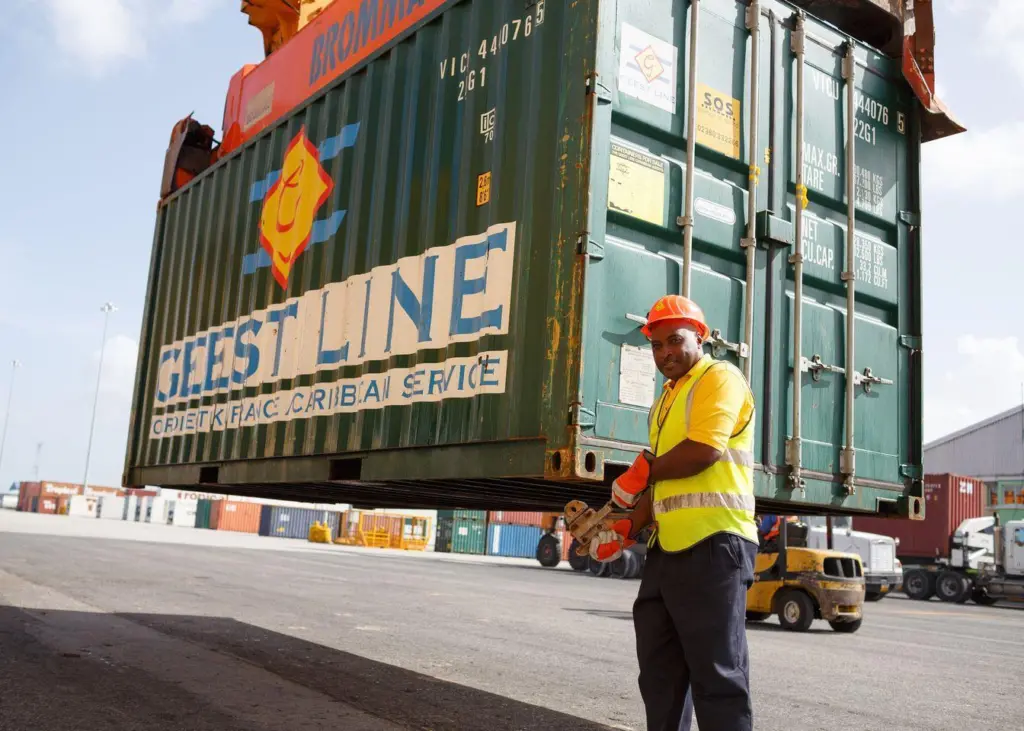
In the latter context, the case of the Caribbean is referenced and the fact that most states in the region have over the past four years experienced at least one damaging category 4 or 5 hurricane. Overall, the point is made that significant disruption – some structural some operational – to supply chains has occurred, and may well continue to occur, as a result of both factors which has led to increased costs.
The scenario is such, it is suggested, that smaller independent states, face an increased risk of negative growth, particularly over the short-term, and therefore an impaired ability to deliver food and other essential products and materials to their respective populations at a reasonable cost.
It is particularly important under these conditions, underlines Chad Blackman, Barbados’s Ambassador to the UN and Chair of the World Trade Organisation’ Committee on Trade and Environment, that ports in SIDS maintain the ability to field sufficient capacity to absorb exceptional shocks. This includes the ability to upgrade port facilities and have access to the necessary finance to achieve this. Specifically, he calls for, “a very real conversation with financial institutions that will allow countries to build capacity.”
While, however, this suggested approach does have a certain merit to it – as regards the basics of safeguarding the health and welfare of the states concerned – there are certain drawbacks. A macro factor is the culture of putting in place relatively easily access to soft finance. This is a strategy that most financial outlets – public and private – have backed away from progressively over recent years. History tells us that too many mistakes have been made. Where soft finance is available, from regional development agencies etc. this is now usually in a much more specific context.
Specifically, with regard to port expansion, there are also a number of basics to address – for example: Is there really a case for expansion or can the existing port resources be leveraged to offer more capacity? Similarly, is the business model the correct one to base expansion plans on and allied to this is there scope for the greater participation of the private sector as a path to securing finance?
These questions may be particularly relevant where public sector operations are in place – where it is fair to say that as a rule there is more slack in the system. Across-the-board, however, it appears prudent, even in exceptional circumstances, to apply a comprehensive vetting procedure for all parties looking for finance. There should be no easy ‘gates’ to go through! In the final analysis, this can often entail a bigger price to pay!