



South Africa must beat corruption and confusion
COMMENT: Transnet, the operator of South Africa’s port terminals and provider of rail freight services, has been beset by corruption and malpractice scandals over the last three years, writes Mike Mundy
These reached a new waypoint at the end of October with the sacking of its well-known chief executive, Siyabonga Gama. He is understood to have been sacked following broad-based corruption investigations, one conducted by the National Treasury, part of which alleges his involvement in corruption and malpractice; allegations which he refutes. The Board of Transnet has also cited a loss of confidence in his ability to lead the state-owned enterprise.
Gama has, however, not taken his dismissal sitting down. He obtained from a Labour Court a ruling whereby the dispute between him and the Board of Transnet is referred to arbitration. This, nevertheless, did not stop the Board from sacking him – with the Board making the point that they gave Gama 10 days in which to detail reasons why his contract should not be terminated and that he chose not to take up this option.
The irregularities at Transnet are serious – they include financial reports showing irregular expenditure of R8.1bn, dubious conduct with regard to a R500m pension fund and the biggest scandal of all a major scam in conjunction with the acquisition of locomotives worth R54bn from General Electric, Bombardier Transport, China South Rail and China North Rail. It is this latter event that South African media are reporting Gama is linked to.
The current strong focus on Transnet cannot be separated from an ongoing judicial inquiry into what has been termed ‘state capture’ – widespread corruption involving billions of rands worth of state contracts during the presidency of Jacob Zuma which ended in February this year.
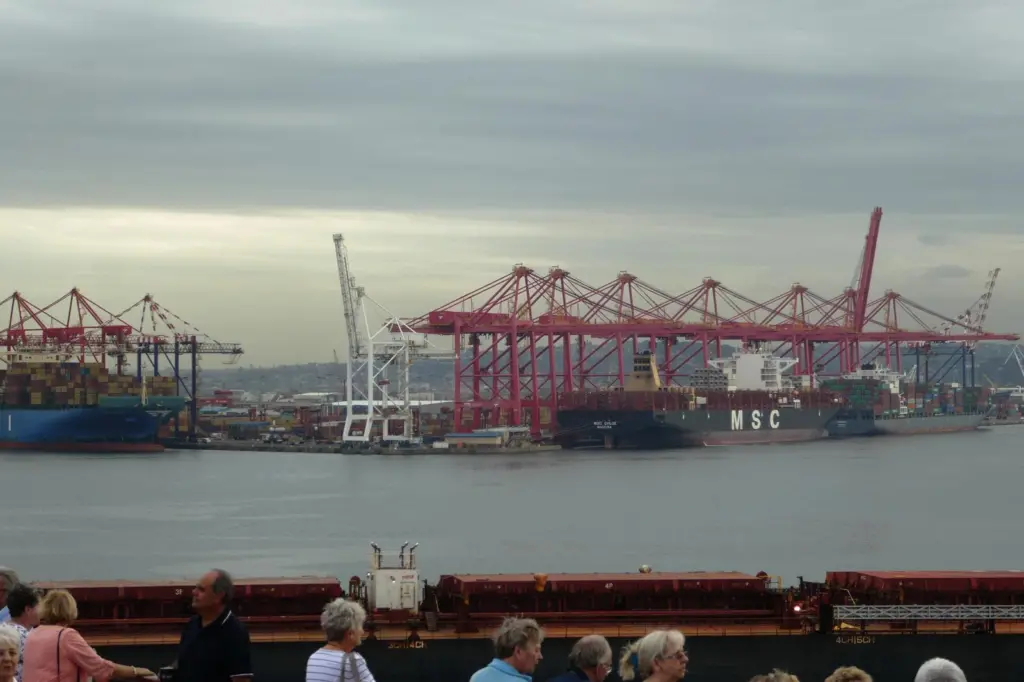
It also comes at a time when Transnet is making key decisions regarding port capacity and notably has embarked upon a major expansion scheme for the port of Durban, a key feature of which is expanding container handling capacity and boosting the port’s capacity to handle the larger container vessels in service. There has been multi-faceted criticism of this project – the economic rationale, employment opportunities, environmental etc.
Looking at Transnet overall, is it not time to raise the idea again of putting its various divisions and/or components of these into a public-private partnership? The reasons for doing so are clearly growing stronger.
This article first appeared in the December issue of Port Strategy magazine. Fill in your details here to get your port insight first before it is made available online.