![PortStrategy[GreenPort]](https://www.portstrategy.com/wp-content/uploads/2026/09/PortStrategyGreenPort.svg)






Trying times for transhipment
COMMENT: Who would set up a new container transhipment terminal nowadays, asks Mike Mundy.
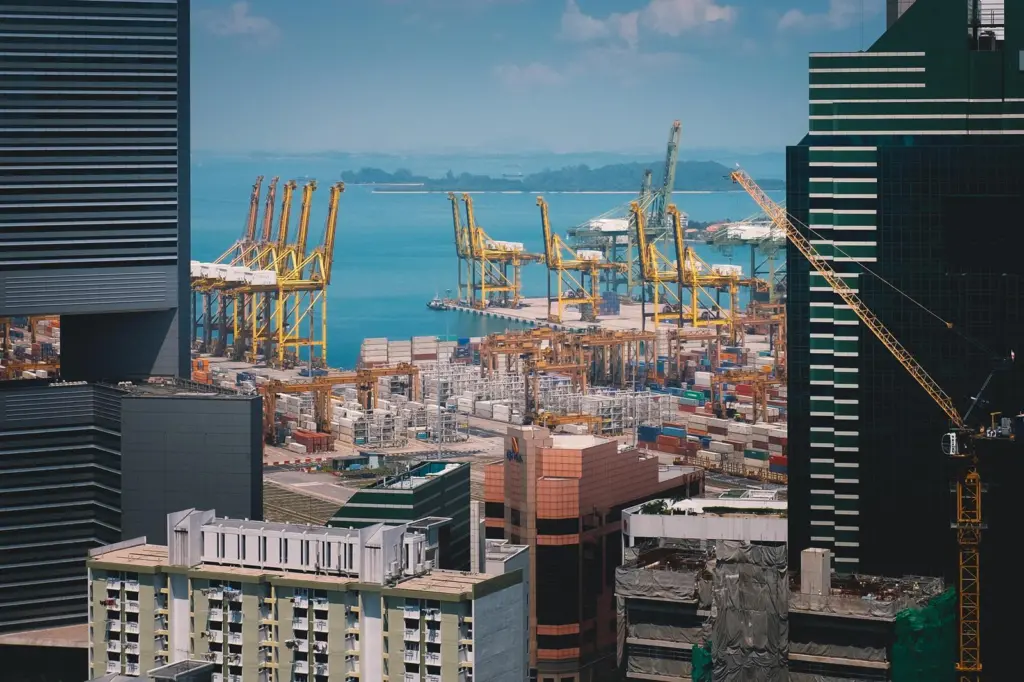
Transhipment by its very nature has always been a high volume, low margin business but the trouble is today’s already low margins are getting lower, bringing into question the viability of both new projects and expansion schemes, especially wholly private sector and mature market schemes.
The ideal new transhipment terminal project nowadays is one that receives some sort of public funding, possibly for the base infrastructure, and tax breaks related to start-up and labour employment/training. But, of course, this would not be fair in a region where existing terminals are already operating on a wholly commercial basis. It is also unlikely to make much commercial sense.
The root cause of transhipment margins getting lower and lower are not dissimilar to what has happened in many other industry sectors: rationalisation in the customer base puts more power in the hands of fewer players; while it is difficult to raise prices costs invariably get higher; and candidate customers are often not real candidates because they have already put down roots elsewhere by way of an equity stake. Increasingly, this is happening by way of sweat equity, guaranteeing box volume in exchange for equity in a terminal, rather than cash changing hands.
There is an increasing preference among many lines to achieve transhipment in ports where they can also conduct other business, for example handle gateway cargo. Also, when a business owes no allegiance to any location and lower cost operating bases come on-stream allowing clients cost reductions, it is difficult to retain their loyalty.
And last but not least people do get it wrong. Parties that introduce new transhipment capacity without adequate comprehensive demand analysis usually get it wrong.
One example would be the decision earlier this year by the four pre-qualified bidders for the Corozal project, a planned major new container transhipment terminal on the Pacific side of the Canal, to not bid on the project.
New container terminal transhipment projects must today be subject to particularly vigorous analysis, eliminating potentially changeable factors. Promoters of such projects must also be sure of the inherent strengths of such a project and have all their selling points and supporting data properly in place.