![PortStrategy[GreenPort]](https://www.portstrategy.com/wp-content/uploads/2026/09/PortStrategyGreenPort.svg)




Chain reaction
Today’s busy lifestyles mean that we are always on the run – whether it’s from one country to another, one meeting to another, or, in the case of ships, from one port to another.
Inevitably, there is a downside to this fast-paced existence. Sometimes crucial details are overlooked or opportunities are missed. But perhaps less appreciated are the changing dynamics of the port environment on the back of this fast lane living.
One criticism raised by the European Harbour Masters’ Committee (EHMC) is that today’s rapid turnaround of ships in ports has impacted on harbour masters’ ability to swap experiences. With time in port reduced from weeks to hours, networking opportunities for harbour masters with ships’ masters has all but disappeared.
Gone are the halcyon days of sharing a meal or drink together and with them the all-important exchange of experiences and knowledge.
EHMC Secretary Ingrid Römers is downbeat about this shift. “In the past there were many people with a nautical background. Now [there are] fewer and fewer, on board as well as ashore,” she laments to Port Strategy. “It is a well known fact that the number of people working in ports with a nautical background is decreasing rapidly. On top of that the vessel’s crew is no longer always familiar with the port or terminal due to a huge turn-over of crew, a diminishing degree of experience in general and an increased spot market, resulting in calling at many different ports.”
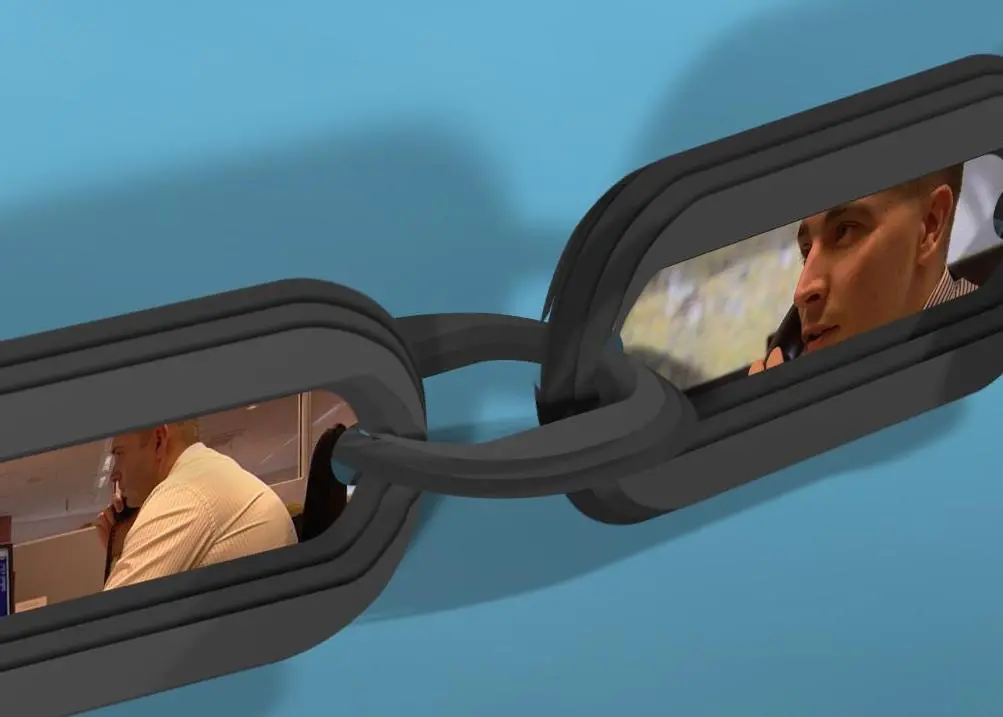
This upheaval has put a chink in the nautical chain – one that the EHMC is keen to straighten out. Their fix is to improve communication and planning, which they believe will reinforce the nautical chain.
“The way to achieve this is by starting to create awareness,” says Ms Römers. By awareness, she refers to individual operations in the nautical chain and awareness of the importance of sharing information and knowledge.
“Such awareness and best practices in the end will lead to a better knowledge of everyone’s day-to-day work when receiving a vessel in a port, to a better mutual understanding and a better understanding of the common interests in optimising the functioning of the maritime chain.”
With experience being sapped away from ports, it’s crucial that knowledge is not lost forever. While we all can appreciate that times have changed, taking time out to understand your link and its connection to others could help us all going forward. Ask yourself, are you really too busy to strengthen the chain?
Related Articles
 OPERATIONS
 INSIGHT & OPINION