![PortStrategy[GreenPort]](https://www.portstrategy.com/wp-content/uploads/2026/09/PortStrategyGreenPort.svg)




Let there be ports
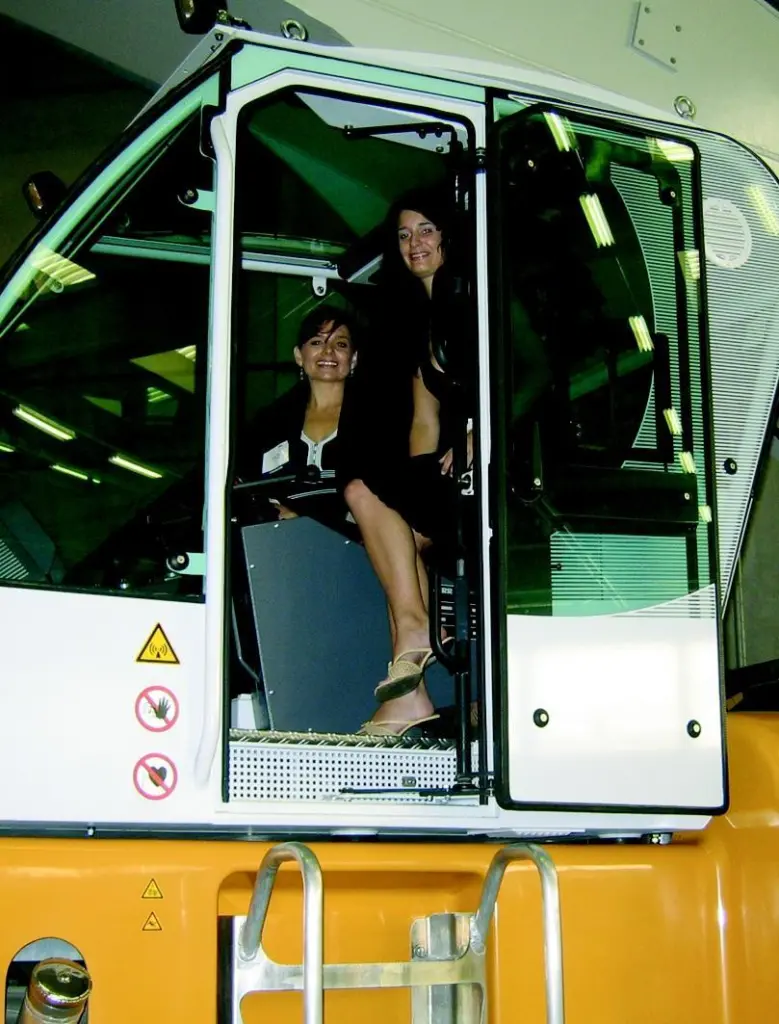
TOC provides a wealth of ideas and material for a magazine like ours and the recent event in Antwerp was no exception. We catch those conference sessions we can and download the speakers papers from those presentations we cant get to, to mull over later. We chat with people who we know otherwise only by telephone or email. We entertain and are entertained. We are paid compliments which is gratifying but, lest we become smug, we have to eat humble pie when we get things wrong (see page 14 – sorry about that MAFI. They say doctors bury their mistakes, lawyers hang them, but journalists put theirs on the front page. ) All in all the TOC experience is very rewarding though. We even get to talk to our competitors and – surprise, surprise – find we actually get on with them. We interview people who are wise enough to know that sharing their knowledge and experience can only help the industry at large. We sell (we meaning our amazing advertisement sales manager, Leanne Taylor – who can say no to her? ) But imagine our surprise – and pride – when we learn PS is considered an invaluable research source in helping TOCs worthy organisers structure the conference programme itself – praise indeed! At least it tells us weve got our finger on the industrys pulse.
And the industry’s pulse beats strongly. We agonise over congestion at our container ports but, without wanting to sound complacent, which would you rather have – under or over-capacity?
The challenges we face are of the most positive kind. And what reassures us at PS is that sea transport, which the industry serves, is by far and away the most sustainable of freight transport modes. So all the news of mergers and acquisitions; the speculation as to which global terminal operator might gobble up which; about which carrier might use its terminal operations as a strategic lever to further its intermodal ambitions in this or that part of the world; or which equipment manufacturer seeks an edge on the competition with smarter technology – all such developments are positive effects of the free market in full swing.
They are signs of the industry guiding itself towards a more sustainable way of moving the multiplicity of items we all depend on and would really not want to do without – and which are best moved by water. Next time you hear a politician, NIMBY activist, or conservationist hesitate, whinge or berate us over a new port project, listen to their point of view, then recall that without new port capacity we will never solve those very problems of congestion, pollution and disruption to our daily lives that the aforesaid campaigners seek to address. Let there be ports!
Related Articles
 OPERATIONS
 INSIGHT & OPINION