![PortStrategy[GreenPort]](https://www.portstrategy.com/wp-content/uploads/2026/09/PortStrategyGreenPort.svg)






Red Sea attacks respite during ceasefire
The shipping industry is hopeful that the Israel-Hamas ceasefire which came into effect on 19 January will bring an end to Houthi attacks on vessels in the Red Sea.
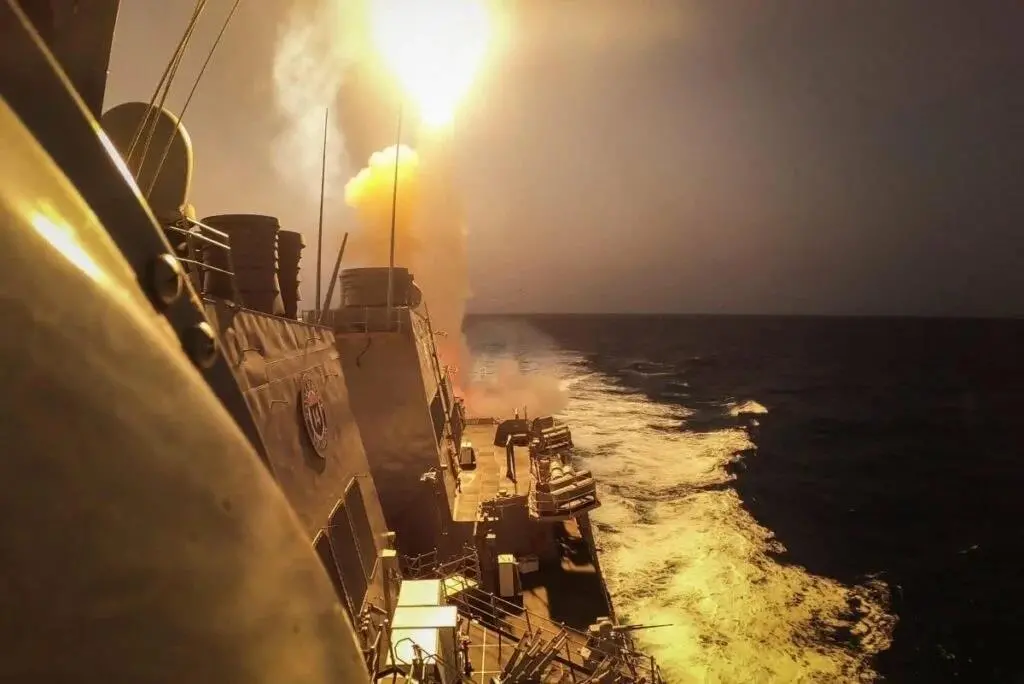
The Houthis have publicly committed to stopping the attacks on most vessels in the region for the duration of the ceasefire, currently set at six weeks.
However, the group has said that it will still target vessels wholly owned by Israeli entities or those flying the Israeli flag. Additionally, the Houthis warned they may attack US or UK vessels if retaliatory strikes on Houthi positions in Yemen occur.
“The Houthis claim they’ll hold fire, but past behaviour may suggest the Red Sea will stay choppy even during this fragile ceasefire, and long-term quiet will depend on the Israel-Hamas negotiations,” said Judah Levine, head of research at freight marketplace and platform, Freightos.
For the shipping industry, the cessation of attacks has provided a brief window of optimism for the safe resumption of Red Sea traffic. However, many carriers are still reluctant to fully return to the route until they are confident that the ceasefire will hold beyond the initial six weeks.
“Carriers are eyeing the ceasefire cautiously. For now, the Red Sea remains more risk than reward,” said Levine.
“The return of Red Sea traffic could be a double-edged sword with short-term congestion followed by long-term rate collapse, unless carriers play their cards right.”
Related Articles
 WORLD
WORLD
 WORLD
WORLD
 PRODUCTS & SERVICES