COMMENT: Around New York, we’ve seen huge sea changes since the beginning of 2020, along with the rest of the maritime world, writes Barry Parker.
By the early days of October, one hallmark of my world shipping conferences (gatherings, that type of conference) had all gone virtual. So it is with New York Maritime Week, which included a group of sessions by port executives at the annual Capital Link conference.
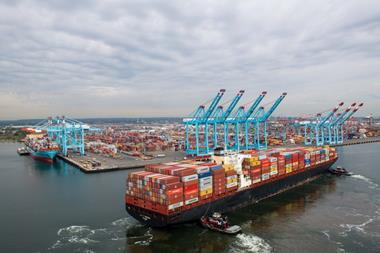
The watchword for the overall industry, including the port sector, is the “R-word”- resilience. New York, where seaborne cargo volumes have now been resurgent to pre-COVID-19 levels, is no stranger to “R”, having handled the 9-11 attacks, Superstorm Sandy and a host of minor calamities in between.
Rick Cotton, the Port Authority’s Executive Director, showed statistics demonstrating the big recovery in seaborne trade (with August 2020 levels actually exceeding those of a year earlier). But crisis is the flipside of opportunity.
Another panel participant, Andrew Genn, from New York City’s Economic Development Corporation (who has led planning efforts all over the region’s waterfront) highlighted an acceleration of efforts to move cargo around the harbor. I would add that a necessary ingredient of resilience is the ability to pivot quickly in the face of adversity.
The efforts around New York include what Cotton described as “a strong cooperative effort between the port itself, terminal operators, and labor…” but also a resurgent effort to develop “Marine Highways”.
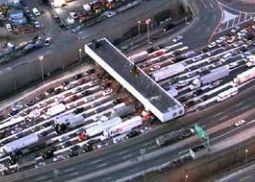
One byproduct of COVID-19 has been increased online shopping which has led to strains on landside local infrastructures, including the truck-laden Brooklyn Queens Expressway ( “BQE” yes, the one that could possibly sink into Upper Bay) and the perpetually gridlocked George Washington Bridge (GWB).
The bottom line, according to Genn, is that “New York City over-relies on trucks…same day/ next day delivery doesn’t work”. He explained that “…the answer very much lies in maritime,” and went on to describe the DOCK-NYC project, which will see a Request for Expressions of Interest shortly.
The idea is to create docking areas around New York, including in densely populated Manhattan, that would handle intra-harbor barging of containers from the big terminals in New Jersey.
He stressed that considerable cooperation will be needed among the cargo side, terminals, and barge operators and alluded to the necessity of a very sophisticated cargo tracking interface to support e-commerce and last mile deliveries.
A year ago, the “Marine Highway” (presented at the same conference, albeit non-virtual) was an interesting concept, without a great deal of local applications.
But, to me, resiliency is about far more than rebuilding after an attack or flood. With unsafe BQE and the 24-7 congestion on the GWB, a shift to waterborne transport is most welcome.