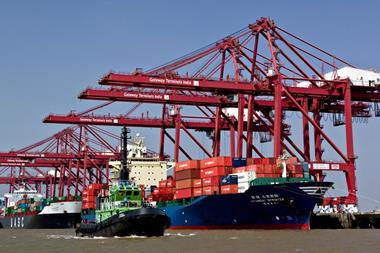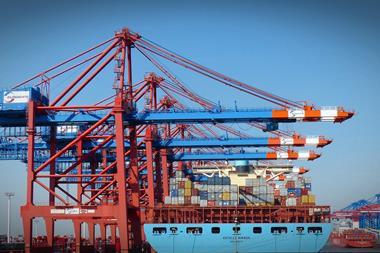


COMMENT: It seems like it was only yesterday that we were discussing the heavy burden of overcapacity in Northern European ports, but today those same hubs now face the other extreme of too much traffic and what to do with it all, writes Carly Fields.
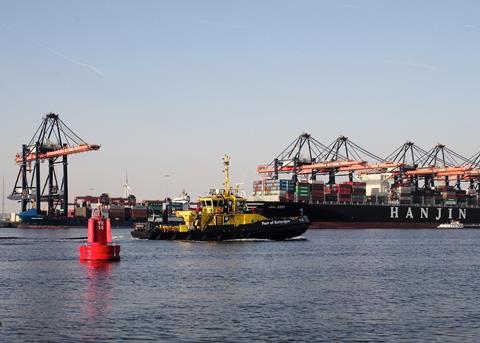
Three things have conspired to create tailbacks at Rotterdam and Hamburg, which have been lengthening since the start of the year. First up is an apparent disregard for on-time vessel calls by shipping lines. Why stick to a schedule, when you can turn up whenever suits you and watch a port – desperate to retain business in a cut-throat market – kowtowing to your every loading or unloading need.
Second, the summer holiday season in the Northern hemisphere has taken its toll on the available workforce. Third, new equipment and the subsequent faster handling of containers are also being blamed for the congestion.
None of these are the fault of Rotterdam or Hamburg port authorities, yet they are both having to scramble around to put policies in place to deal with an ever-increasingly backlog.
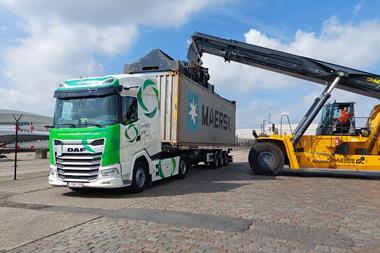
Thinking on its feet, Rotterdam announced it would divert inland waterway barges and feeder ships transporting export and import containers from the congested ECT Delta and Euromax terminals to three smaller terminals, where consignments will be consolidated for onward transportation to the larger facilities.
Hamburg is employing its Port Road Management Centre to guide truckers using real-time perspectives of traffic-jams in order to tackle waiting times.
But will it be enough? Inland waterway operators, trucking companies and shipping lines have already introduced surcharges, while at least one shipping line has diverted calls to neighbouring ports in an effort to get cargo moving again. Antwerp has been happily taking up the slack, but as Port Strategy went to print there were early signs that here too, the strain is beginning to show.
Congestion of this scale was last seen in the global container boom of the early to mid-2000s, according to Drewry Maritime Research.
And the end is not in sight as analysts believe that this ‘spike’ will continue into the autumn.
Across the Atlantic, US ports are also on track for a bumper year and face the same capacity challenges as North Europe. Shippers have started seasonal re-stocking early to allay fears of potential industrial action closing down ports as labour negotiations on the west coast continue. There are many factors at play here, but what they all serve to illustrate are the benefits of early action, out-the-box thinking, pre-planning, and preferential port partner agreements with ‘competitors’ should you need to start offering alternative ports of call.
Ports can’t plan for every eventuality, but can and should have a Plan B and C ready for quick adoption. If you don’t and your neighbours do, you can kiss goodbye to that hard-won business.