




Rotterdam takes Smart Grid plunge
The Port of Rotterdam is one of few ports investigating the Smart Grid concept and is working with GE to develop tailormade solutions.
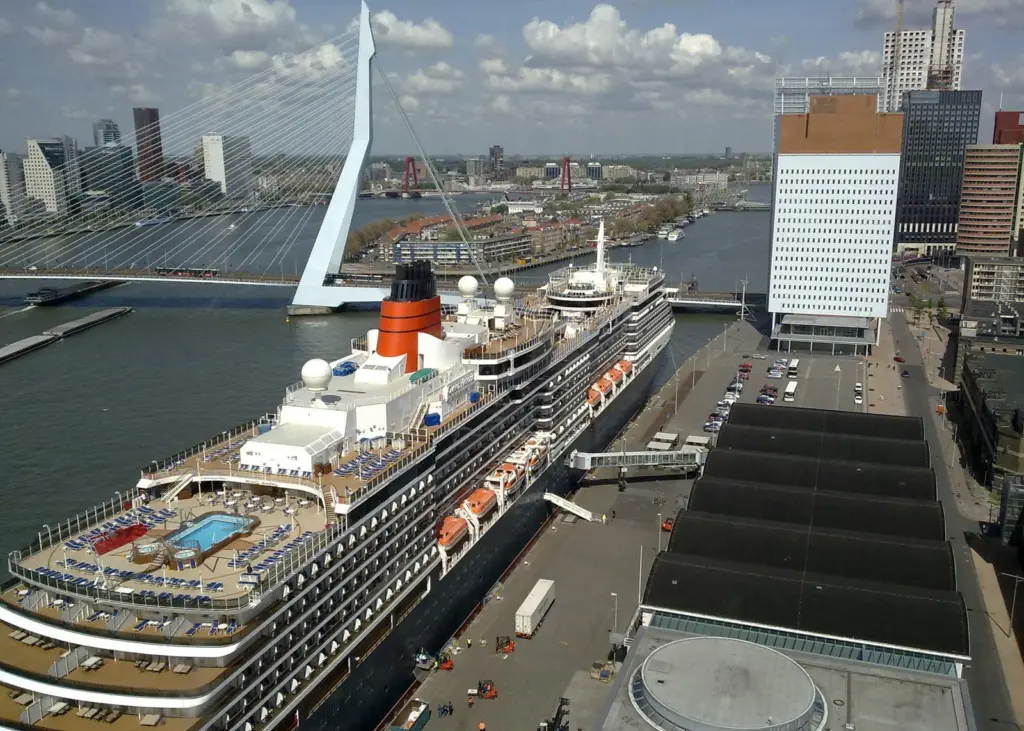
“Rotterdam is certainly one of those global conglomerates of industry in a very tight space and, because of the petrochemical and other activity there, with incredibly high energy demands. That is one of the drivers behind the project,” says GE’s Stephen Burdis.
Major industrial players would generally have their own back-up generation – though that might well be diesel-based rather than ‘green’ – and Rotterdam is looking to integrate more wind, solar and low-carbon generation, he says. However, a key point is creating more local control and a better understanding of power needs.
“That means looking at all the industrial players’ share of electricity across the port, rather than each operator individually. By doing do, they could pool the energy resources available to them and maybe even move towards operating a ‘micro-grid’ with each community of industrial customers.
Rotterdam launched its Rotterdam Climate Initiative with the target of reducing carbon dioxide emissions by 50% by 2025; GE is supporting the initiative and is involved in a study into the feasibility of a Virtual Power Plant for the port district.
“A VPP integrates controllable and uncontrollable energy production systems with flexible users; it is managed as if it were a single power plant, and can also offer possibilities for energy storage,” says a report on the project. “A VPP thus helps in adapting sustainable sources with volatile and less predictable production, such as wind and sun, in the electricity grid, while guaranteeing stable and reliable electricity production. It uses intelligent measurement and monitoring equipment and is capable of flexibly adapting itself to variable electricity rates.”
Many large industrial plants produce their own electricity and heat, in addition to consuming power from the grid, points out the report. Combining the local energy supply and demand of multiple companies in a VPP, and managing these as if they were a single company, can reduce electricity costs significantly – and renewable energy and flexible cogeneration could be integrated into the cluster.
Related Articles
 CONTAINER & CARGO HANDLING
 TERMINAL OPERATIONS
 CONTAINER & CARGO HANDLING