‘Thinking Ocean’ is not receiving the prominence it deserves – there is a strong case for business stepping up, especially marine businesses
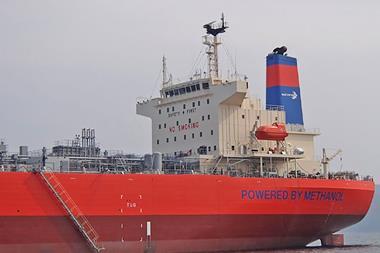
It’s a new year and many say the tide is turning on the need to address neglect in the marine environment. We were reminded about wanton consumerism – and the inevitable waste that ends up in the sea – during lockdown. COP26 actually had a lot of ocean-themed content; after all, 2021 was the beginning of the UN Ocean Decade. The upturn in marine stories has been impressive. There’s been much recently on biodiversity and ocean rewilding, such as seagrass restoration, alongside the raft of news on low emission and hydrogen propulsion in shipping that tend to be the headline grabbers.

The Ocean Conservation Trust has been busy creating a template for a much needed ‘Ocean Recovery Declaration’. Under the moniker ‘a motion for the ocean’, their activities are nudging local authorities to “think ocean”. The aim is to ensure that coastal action is integrated alongside that being progressed on the landside, in response to declared climate emergencies. Falmouth Town (quick off the mark) and Plymouth City Councils in the UK are already on it, engaging and formally debating the issues.
You will remember from school geography lessons, that oceans regulate the global climate, mediating temperature and driving weather. They influence precipitation and its effects, including floods and droughts. In the last two centuries, oceans have absorbed a third of carbon dioxide produced by human activities and 90 per cent of the additional heat trapped by the rising concentration of GHG emissions. As well as this creeping challenges of sea level rise, increasing storminess and polluted waters are also threatening coastal communities, ecology and transport.
The condition and health of the seas is fully connected, and fundamental to climate regulation. Yet the topics are under-represented in strategies and policies, investment, R&D and action programmes. Ocean literacy, in society, seems to be too light.
BETTER CONNECTION
Some UK councils are trying to better connect people to the ocean. Plymouth is advancing this through its National Marine Park, Plymouth Sound, while the City supports a sustainable fishing industry, and advocates good marine management by hosting a consultative forum on fisheries and conservation. There’s a Plan for Plastics and a carbon neutrality journey to 2030. The blue economy agenda rightly also includes the health and wellbeing of the marine environment. That is needed to deliver effective benefits such as storing captured carbon in saltmarshes and seagrass beds, and equitable access to clean and safe recreation. Here, the maritime culture is being put at the heart of an economic recovery programme and that’s great to see.
Using UK National Lottery Support (keep buying those tickets!), Cornwall Wildlife Trust is helping children – including those from deprived communities – learn and experience the ocean with a view to boosting knowledge and becoming empowered to get more involved. After all, the typical politicians’ response to climate and ecological emergencies is to leave a monster legacy challenge for the next generation, especially after 2050. These youngsters will be in the prime of their careers by then, and their skills much needed to cleanly power marine traffic, transfer cargo and goods, and efficiently manage energy while balancing human needs and nature alongside critical maritime industry.
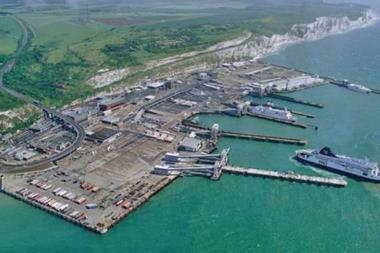
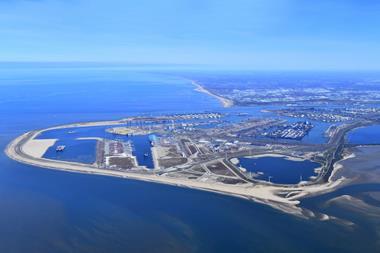
At a local level, there’s talk of attaining net zero, taking smarter approaches, levelling-up, and lobbying Government. However, there’s not enough mention of the role of ports, harbours, wharves and other facilities that are the hubs of economic prosperity, employment, and no doubt soon – energy storage and resources. Are ports forgotten, involved but keeping a low profile, or too busy to participate right now?
… businesses need to be part of the effort to help promote, demand improvement and help deliver on healthy seas
GET INVOLVED
If there is to be some kind of collective marine citizenship, businesses need to be part of the effort to help promote, demand improvement and help deliver on healthy seas. This is where port authorities, terminal operators, and those in the logistics supply chain can collaborate, with time and co-financing, to add their mighty human and commercial clout to help scale-up local and regional initiatives. Any environmental, ESG, CSR or sustainability strategies in private sector companies would be particularly meaningful if allied to this push.
There are plenty of opportunities to influence. The MMO (Marine Management Organisation) is consulting on the effectiveness of England’s six regional Marine Plans. The responses to a monitoring survey are going to be used to support decision-making and inform Parliament. For starters, ports and harbours, and indeed all active organisations across the maritime and coastal sector, ought to have their say and propose supportive measures for ocean recovery.