
COMMENT: How many people knew, on a dark, dramatic night last December, that the UK’s biggest port was under water, completely paralysed as the sea poured over the lock gates, quays and warehouses were swamped, and engineers were forced to flick the switch on the network of electricity substations, plunging the whole complex into darkness, asks Felicity Landon.
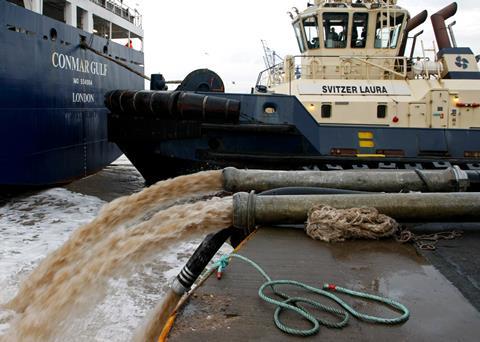
How many people knew, on a dark, dramatic night last December, that the UK’s biggest port was under water, completely paralysed as the sea poured over the lock gates, quays and warehouses were swamped, and engineers were forced to flick the switch on the network of electricity substations, plunging the whole complex into darkness?
The North Sea storm surge made a mockery of sandbags and boarded up doorways. The 5.2 metre high tide was at least half a metre higher than anyone had seen before – first light the following morning revealed a scene of devastation. The shovelling out of mud and the sucking out of water began.
This was Immingham. The port handles up to 55m tonnes a year, including nearly 20m tonnes of oil and 10m tonnes of coal. Associated British Ports’ Humber ports director John Fitzgerald describes the port as "part of the very fabric of modern life", and with good reason.
The coal imported over the riverside Humber International Terminals 1 and 2 is required for generating up to one-third of the UK’s power. Immingham imports the crude oil for two refineries next to the port, which represent 28% of the UK’s refining capacity.
And the port is home to the UK’s largest independently owned petrochemical storage facility. The UK’s strategic stockpile of road salt is held at the port. And then there’s the extensive container, ro-ro and general cargo operations, and large volumes of biomass, animal feed and grain to be considered.
While the enclosed docks were flooded, HIT 1 and 2 and the riverside jetties were dry – but they could not be operated because many of the substations in the port’s electricity network were under water. It was two days before power could be restored.
What if it had been longer? “We would have been talking power cuts and fuel rationing,” says Mr Fitzgerald. “If Immingham was not able to function, it would have serious repercussions for power generation and for fuel refining and distribution. On this occasion the power stations we supply had enough coal stockpiled onside to keep them going – but a few more days and it would have been very serious.”
Missing link
And that is the point. Although Immingham is, as he says, absolutely vital nationally, it doesn’t meet the UK Environment Agency criteria for deserving state-funded flood protection, because there are so few houses in the area.
“Because the Environment Agency view is purely based on the number of houses to be protected, Immingham hasn’t been seen as worth the support – but you need to think about what the port actually contributes to the UK,” says Mr Fitzgerald.
ABP’s emergency team gathered in the port’s marine control tower on that fateful night; they had received numerous, conflicting forecasts during the day and, in the end, the water reached 1.6 metres above the predicted high tide. As the power went out, an emergency generator kicked in so they could continue to communicate and watch what was happening via the CCTV network – until the generator was inundated. They then relied on their mobile phones – until the local mast went down.
This was the sort of event that you can never quite imagine and, looking back, can only learn from. Mr Fitzgerald says: “My job now is to think about what we need to do to improve our resilience – and that includes engaging with government.”
But there are two questions here and probably they are linked. First, how on earth can such a critical piece of infrastructure apparently not merit any state investment in flood defences? And second, why was it that the national TV coverage of the storm surge, which gave us waves lashing piers and tourist attractions, seawater flooding into seafront homes and dramatic cliff collapses into the sea, gave not even a sideways glance at Immingham, the place that everyone in the UK relies on but many have scarcely heard of?
A few weeks ago, regional flood recovery minister Robert Goodwill visited Immingham, which is still recovering, and said all the right things. Describing Immingham as a "vital national asset", he said: “This facility is vital to the transport infrastructure of our country. The oil that comes in here is refined here and makes sure we have diesel and petrol for our vehicles and worldwide markets. It is vital to make sure the lights stay on, as the coal and biomass that comes here fuel the power stations.
“Fortunately we had no major interruption of this vital supply following the tidal surge, but the events of that night show how potentially vulnerable this port is and underlines the importance of taking strides to make it more resilient.”
We can only hope that such excellent words lead to similarly excellent action.