



Historic Liverpool pumphouse restored
A Grade II listed pumphouse at the Port of Liverpool has been restored following an investment of almost £1 million by Peel Ports Group.
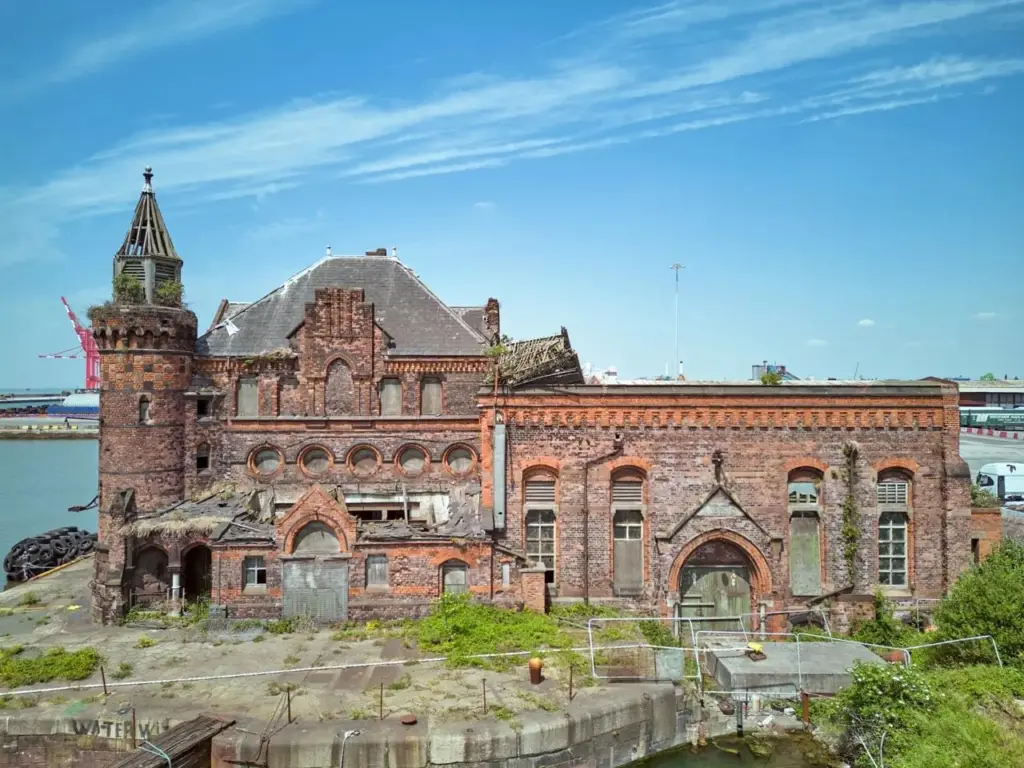
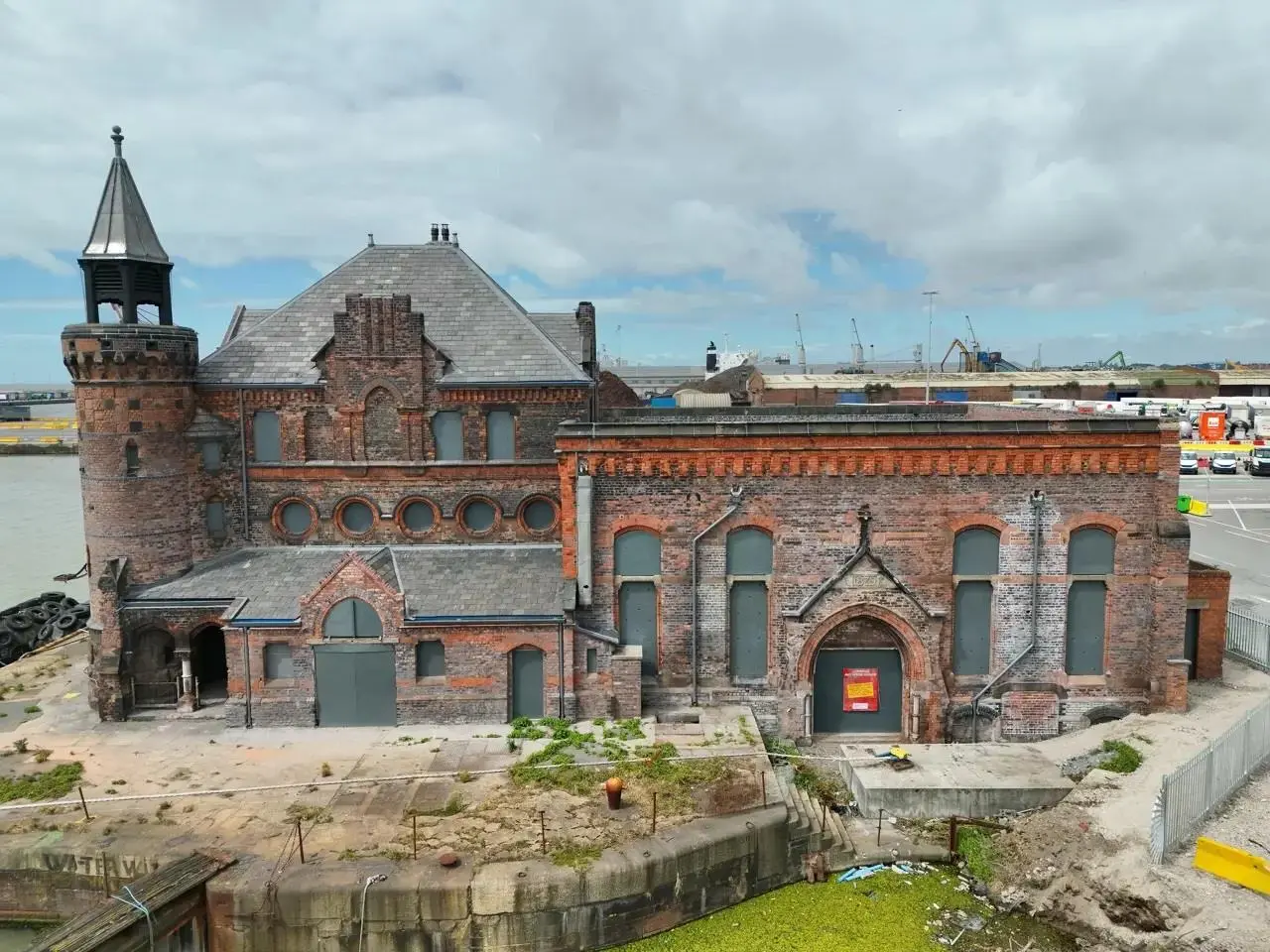
The restoration of the Langton Dock Pumphouse forms part of the port operator’s efforts to preserve historic assets across its estate while continuing to maintain infrastructure required for modern port operations.
The project was managed by Steve Graham on behalf of Peel Ports’ Mersey Infrastructure Engineering team and delivered in partnership with Specialist UK Restorations. The work has transformed the long-neglected structure while retaining its architectural and heritage significance.
Planning and conservation requirements were supported by Ellie Lewtas and Peel Ports’ Group Planning team, which secured the necessary listed building consents before work began. Sefton Council was also involved throughout the project and recognised the restoration’s contribution to the local historic environment.
The Langton Dock Pumphouse is part of Liverpool’s historic dock estate and is considered an important element of the city’s maritime heritage. Its restoration is intended to secure the building’s future while protecting its contribution to the character of the waterfront.
Graham said the project highlighted the importance of investing in the port’s historic estate and ensuring significant structures remain part of Liverpool’s landscape for future generations.
The restoration required specialist engineering expertise, careful planning and collaboration between Peel Ports, contractors and local authorities.
Peel Ports said the project demonstrates how investment in historically significant infrastructure can be balanced with the operational requirements of a major working port.
The completion of the work marks another step in the preservation of the Port of Liverpool’s industrial heritage, while demonstrating the potential for engineering projects to support wider conservation objectives.
The company said maintaining assets under its ownership remains an important part of its approach to responsible stewardship, particularly where historic structures form an integral part of the surrounding community and landscape.
Related Articles
 PORT & TERMINAL NEWS
 PORT & TERMINAL NEWS
 DIGITAL