![PortStrategy[GreenPort]](https://www.portstrategy.com/wp-content/uploads/2026/09/PortStrategyGreenPort.svg)






Integrating OPS and microgrids at Stockholm
Ports of Stockholm, in partnership with the University of Skövde, Stella Futura and Ilmatar, is launching an innovative project to integrate onshore power supply (OPS) and microgrid technology.
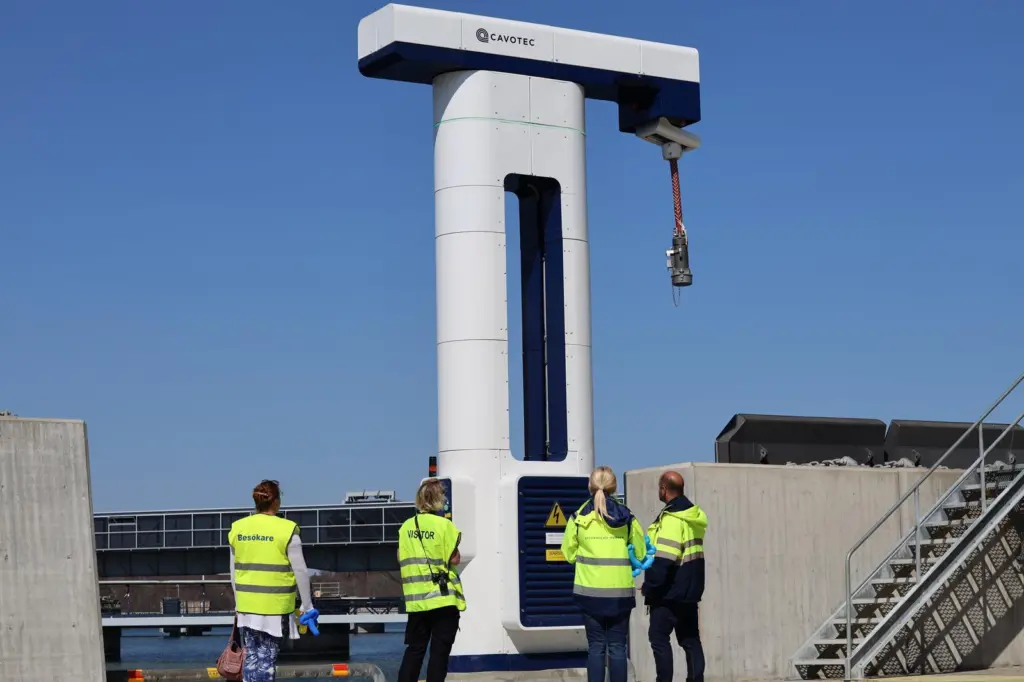
This initiative, funded by the Swedish Innovation Agency Vinnova, aims to reduce emissions, improve energy efficiency and enhance port capacity to meet future sustainable energy demands.
The demonstration project at the Port of Kapellskär will serve as a model for future green port solutions.
“We are working strategically to meet EU regulations that require onshore connection for ships by 2030,” explained Staffan Forsell, chief strategy and development officer at Ports of Stockholm.
“This places a high demand on the electricity grid, especially in Port of Kapellskär where the current capacity is limited.”
To address challenges such as limited grid capacity and increased demand, the project will incorporate solar cell systems, battery energy storage and an energy management system to optimise the OPS and ensure a reliable power supply.
“By integrating microgrids with OPS, we create a robust and sustainable solution that reduces the port’s environmental impact and strengthens our competitiveness,” said Forsell.
The project, titled Innovative Microgrid Design for Sustainable Onshore Power Supply: Port of Stockholm Case Study, runs from 2024 to 2027. This demonstration is part of a broader strategy to foster resilient, low-emission port environments, positioning Stockholm’s ports as leaders in the transition to sustainable energy.
“This project is an important step towards greener and more efficient port operations,” said Mostafa Kermani, senior lecturer in Electrical Engineering at the University of Skövde.
“By using the latest microgrid technology, we are meeting the demands of the future while contributing to sustainable development.”
Related Articles
 TERMINAL OPERATIONS
 DIGITAL
 DIGITAL