


USA ship-to-shore crane purchase rethink required
Patrick Stafford, President of Stafford Crane Group (SCG) has been outlining the company’s plans to enter the US ship-to-shore (STS) crane market in 2025.
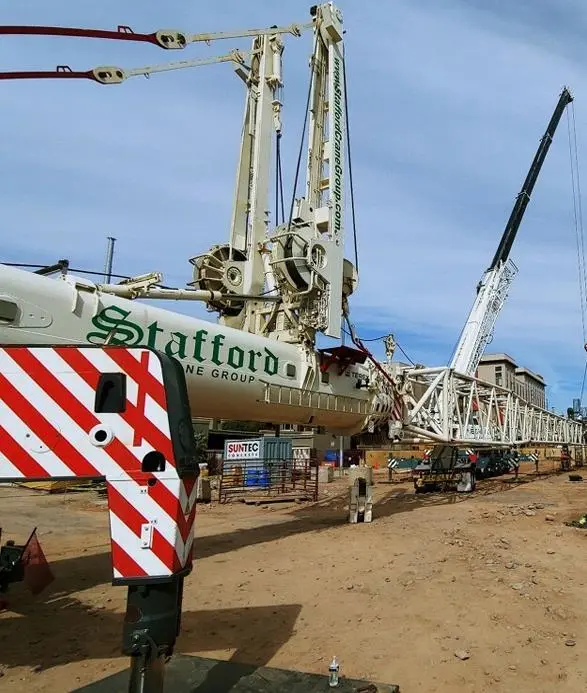
One of the final acts from the Biden Administration ahead of President Trump returning to the White House in January 2025, is to confirm that US ports need to have the option to purchase US-made cranes for reasons of national security.
Normal process in the US for ports is to either take delivery of fully erect cranes from China or in part-assembled form from Europe and assembled on site. SCG intends to manufacture Buy America Build America (BABA) compliant cranes for the US market.
However, this is not without potential challenges, notably any crane that is manufactured in the US requires final delivery on a specialist vessel that is subject to Jones Act provisions of the US Shipping Act – notably, this means the cargo would have to be carried on a US built and flagged vessel, operated by a US crew.
Here, Stafford has stated that the need for BABA compliant cranes means the industry must re-think assumptions around both crane design and transportation, and lessons can be learnt from the tower crane industry. For example, large tower cranes can typically have a boom length of 85m and a lifting capacity over 50t, while being designed to be moved between different locations without requiring specialist transportation equipment.
The position with container cranes is different because they are manufactured with fully welded structures but Stafford has alluded to potentially using different methods in its STS design – albeit that he suggests that the industry needs to “re-think STS crane design and embrace innovation.”
Currently, STS cranes can be regarded as bespoke products, rarely moved between terminals because the cost is too high and modifications may be needed. SCG is keen to change this position by developing more flexible STS units that can be adapted to different facilities while offering opportunities for equipment relocation and lease financing.
Related Articles
 TERMINAL OPERATIONS
 DIGITAL
 DIGITAL