In light of international shipping‘s zero-emission trends and goals, European Union Emission Trading Scheme (ETS) rules, and the International Maritime Organization’s updated global fuel standard, the global shipping sector is now steaming full throttle toward comprehensive green energy transformation.
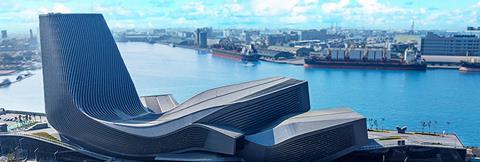
With the global fleet of liquid natural gas (LNG) and heavy fuel oil (HFO) dual-fuel vessels expanding rapidly, Port of Kaohsiung, a key Asia-Pacific shipping hub, is currently planning measures to support and supply LNG-powered vessels and is steadily increasing related service capacities.
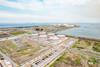
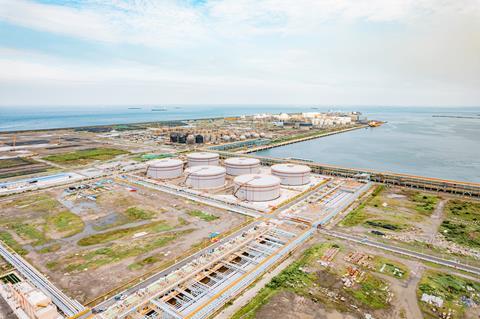
With major international shippers transitioning to dual-fuel fleets, LNG represents an attractive fuel option due to its commercial-scale availability and the maturity of associated power technologies. Taiwan International Ports Corporation (TIPC), supporting the development by CPC of the Kaohsiung Intercontinental LNG Receiving Terminal (aka 7th LNG Terminal) at Port of Kaohsiung, is in the process of planning green fueling service capabilities and conducting related feasibility analyses at the port. A formal announcement of comprehensive LNG fueling rules and regulations for ships calling at Port of Kaohsiung is expected by the end of next month (July 2026).
To bolster safety and legal measures related to dual-fuel vessels, TIPC recently signed the Memorandum of Understanding on New Shipping Fuels Used at Taiwan Ports with the Maritime and Port Bureau and CR Classification Society. This MOU establishes new management and vessel inspection protocols and infrastructure planning priorities for new / alternative vessel fuels such as LNG, creating a solid and secure foundation for the smooth energy transformation of Taiwan’s shipping sector.
TIPC confirms Port of Kaohsiung will continue upgrading and optimizing its green energy infrastructures to create a key green-energy fueling hub for the Asia-Pacific region and raise Taiwan’s green competitiveness in the global supply chain.