



PSA: evolving the supply chain
PSA International Pte Ltd is striving to be a supply chain innovator as it addresses the challenges of digitalisation, sustainability and industry growth.
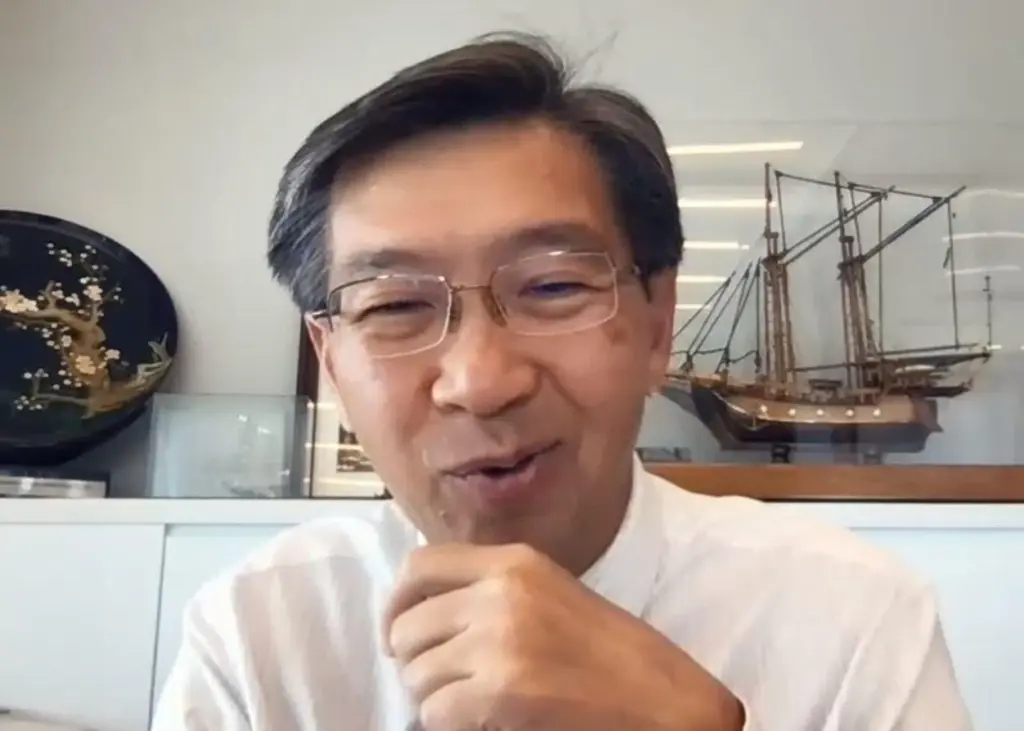
Tan Chong Meng, group chief executive officer of PSA International spoke about the company’s transition from port operator to supply chain leader during a presentation on supply chain sustainability at TOC Asia 2021.
How PSA has evolved
In 2014, PSA focused on supply chain reliability, as well as productivity and growth, as ports faced the challenge of accommodating bigger port calls.
In 2018, as cross integration between digital and e-commerce and the logistics sector began playing a bigger role, PSA decided it could not remain just a port operator but needed to take on a bigger role within the supply chain.
“We felt logistics was a 3-dimensional challenge,” he said noting the physical, financial and regulatory “flows” in the supply chain must move harmoniously for a fully functioning supply chain.
To handle this challenge, PSA introduced Calista for cargo owners. It has since looked at its role within the digital space and identified four layers of digitalisation.
1. Terminal (enterprise) operating systems. PSA uses its own Global Terminal Operating System (GTOS).
2. Port community systems, aided by PORTNET, formed by PSA in 2000, and Singapore founded TRADENET.
3. Supply chain solutions, supported by CALISTA that creates cargo solutions in the three-dimensional model.
4. Data exchange, supported by TradeLens, PSA’s EventHub – launched in 2019, and GSBN (Global Shipping Business Network), of which PSA is a founding member.
Industry reset
Many government leaders and companies believe that Covid-19 is a reset, observed Mr Tam.
He added: “It certainly gives us the best chance to reflect on how to re-programme our world and hence sustainability becomes very much a part of the new equation.”
PSA believes there are four certainties: shift towards resilience, changing customer behaviour, accelerating digitalisation and increased focus on sustainability.
These industry patterns show PSA’s shift towards cargo solutions was strategically sound, said Mr Tam.
Linking PSA’s port and inland locations and supported by CALISTA, PSA Cargo solutions was formed in 2019 offering port-centric cargo solutions to enable cargo owners and service providers to better manage cargo flows “to focus on regulatory enablement, intermodal seamlessness and digital efficiency”. It initially focused on chemicals, advanced manufacturing, e-commerce and cold chain.
The capabilities of CALISTA have evolved since its launch and this year, a carbon footprint calculator is under construction.
This year, PSA will also focus more on the data exchange space, confirms Mr Tan. Referring to PSA’s SmartBooking system, he adds that more can be done to bring stakeholders together on a single booking system to address issues such as congestion.
He said Singapore is building a common data infrastructure to enable trusted and secure data sharing between local and global supply chains for enhanced stakeholders’ productivity and supply chains’ resilience and stronger trade integrity. The aim is to achieve connectivity, good governance, interoperability, and adoption.
Next big challenge
The desire for sustainability in the industry will drive shifts in production and consumption, said Mr Tan.
Food waste is now a major issue, accounting for 26% of global waste and this is due to failures in the supply chain. PSA Cargo Solutions will augment CALISTA to get a better picture of where food is wasted.
Global governments now want to “instigate game-changing action for climate change,” stressed Mr Tan. He says the focus will also be on what we have learnt that will enable us not to be surprised again.
It will be important to look beyond transport at physical logistics and supporting manufacturers. Mr Tan poses the question: “how do we build back better”.
The future role of logistics should be considered, for example if products are redesigned around the circular economy, will the role of logistics be reduced?
Mr Tan also warns the industry should not underestimate the importance of digitalisation. “If we are unable to make full use of digitalisation, our ability to tackle climate change will be patchy.”
He adds ‘digital twin’ is a key technology.
PSA has flagship operations in Singapore and Antwerp. It has operations in 50 locations across 26 countries with more than 60 terminals. Last year it handled 86.6m TEU.
Related Articles
 CONTAINER & CARGO HANDLING
 TERMINAL OPERATIONS
 EQUIPMENT