




Shaking the investment tree
The key drivers of change in port investment patterns are the recent economic recession and its effects on containerised trade, according to Tomas Vitsounis, project leader, Total Port Logistics, at NICTA, Australia’s ICT research centre of excellence.
But sometimes some less predictable factors can shake what seemed like a case of certainty for the future.
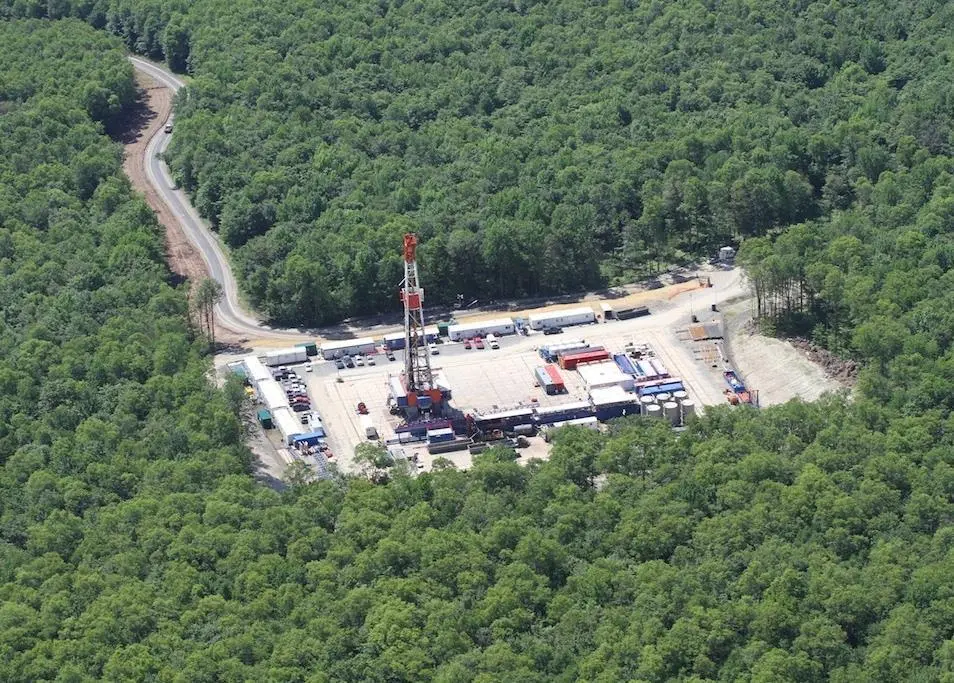
“There was a lot of investment in the US to bring in LNG from the Middle East,” points out Chris Brown of Norton Rose Fulbright. “Now, with the US’s plentiful supply of shale gas, that market is completely destroyed and people are now looking at carrying out liquefaction at these hubs, for gas going out the other way. There are some interesting dynamics and stresses there.”
He predicts that the US shale gas could have a far wider impact on trade patterns and shipping networks.
“This is a real game-changing thing. The US now has the lowest energy costs in the world – add in its big land mass and relatively large population, relatively well educated, and good technology and brownfield sites, and I think a lot of manufacturers will be looking to go back to the US, bringing the logistics chain back with them. So the idea of making stuff abroad and shipping it isn’t necessarily going to continue at the same level; I think we will see manufacturing picking up in the US.”
Related Articles
 CONCESSIONS & INVESTMENTS
 PORT & TERMINAL NEWS
 INSIGHT & OPINION