



Side 2
In the highly competitive UK grain market, terminals are reluctant to release information on actual volumes handled or, indeed, forecast how much grain will pass through terminals this year.
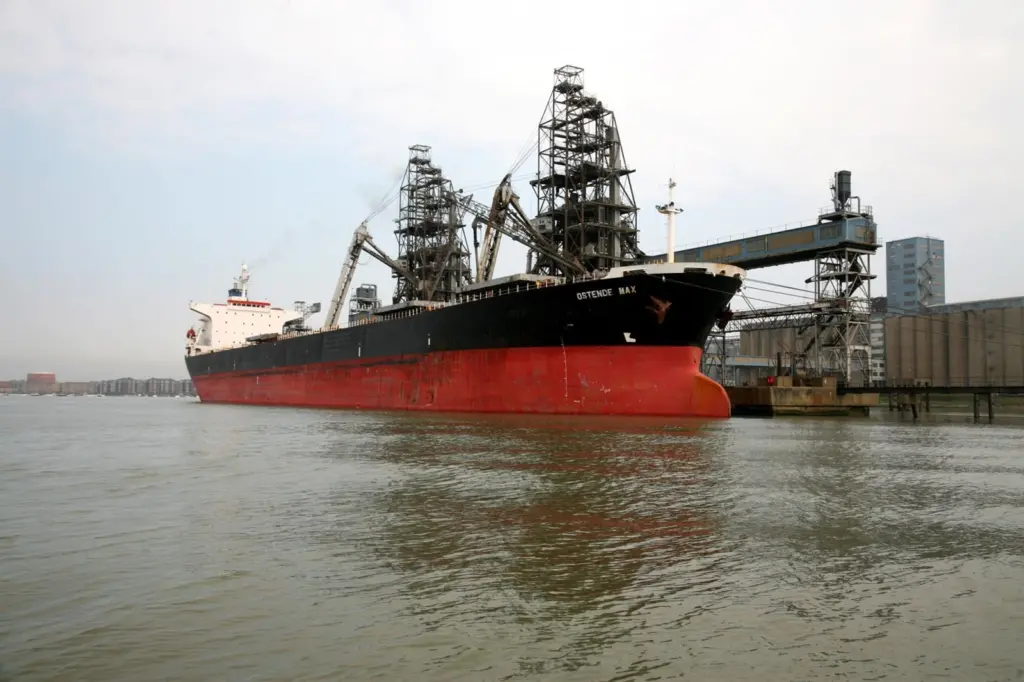
And the Port of Tilbury is no exception. However, the port’s Peter Ward does talk to Port Strategy about the port’s good productivity rate and firm quality control.
Mr Ward explains that it is a rare occurrence for demmurage to have to be paid at Tilbury because of overruns on handling activities. He notes that the grain terminal can achieve loading rates for grain of up to 1,200 metric tons per hour, while average discharge rates are in the order of 1,500 metric tons per hour.
“Reputation and service count for a lot in this business, while the ability to turn around both vessels and land side vehicles also help reduce transport costs,” he says. “Good quality control, is also key, while being able to guarantee hygiene standards and to offer a complete product traceability system is also vital in today’s business environment.”
In terms of value added services for grain customers, the terminal is able to handle some niche consignments of specialist grain, while an on-site grain testing laboratory is also provided for customers to undertake analysis of shipments.
Quizzed as to why grain consignments are shipped to Tilbury and not to competing ports, Mr Ward points to the good road network surrounding the port and its proximity to London.
When asked whether a cost cutting programme has been introduced, Mr Ward notes that, with all businesses at present, the credit crunch means that all costs are continually monitored and reductions made where possible.
Related Articles
 NEWS
NEWS
 CONTAINER & CARGO HANDLING
 OPERATIONS