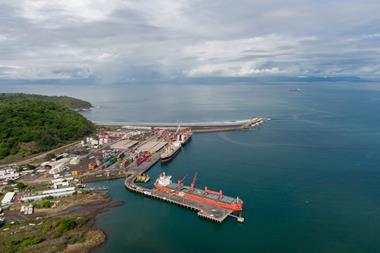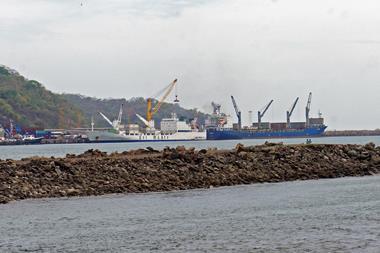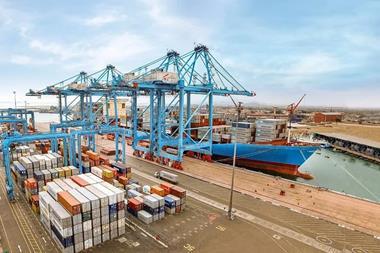


A new independent study reveals that there’s a worrying mismatch when it comes to health and safety at ports with workers reporting higher levels of work-related harm than recorded in company data.
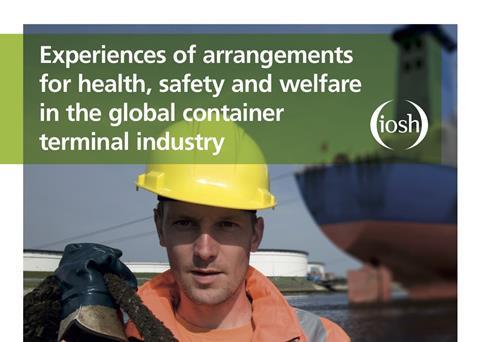
The study called ‘Experiences of arrangements for health, safety and welfare in the global container terminal industry’ was commissioned by Institution of Occupational Safety and Health (IOSH) and the International Transport Workers’ Federation (ITF) and carried out by Cardiff University.
Richard Jones, head of policy and public affairs at IOSH, said: “Key messages include the need for operators to regularly review their health and safety systems, particularly how their contractor-workforce is managed, how health and wellbeing are assured and how worker involvement is fostered.”
“We know from other research that positive feelings about work have been linked with higher productivity, profitability and customer and worker loyalty. So, good health and safety not only helps save lives, it also sustains businesses and is an investment, not a cost.”
During the study, researchers were granted unique workplace access by six major port/global network terminal operators, which are anonymised in the data.
In addition to inaccurate reporting, researchers identified a focus on immediate safety risks at the expense of longer term effects on health, productivity targets undermining the will to prioritise health, safety and welfare and a lack of a consistent approach to OHS management, at least in terms of applying the highest standards regardless of country.
On the back of the study, the IOSH is urging terminal operators to develop and share good practice to help raise standards and improve supply chain management across logistic companies and container ports worldwide.