![PortStrategy[GreenPort]](https://www.portstrategy.com/wp-content/uploads/2026/09/PortStrategyGreenPort.svg)



Freight movers invest in visibility
Nearly three-quarters of ocean freight companies have invested in greater supply chain visibility after a challenging three years of pandemic-related disruption, geopolitical turmoil and labour shortages.
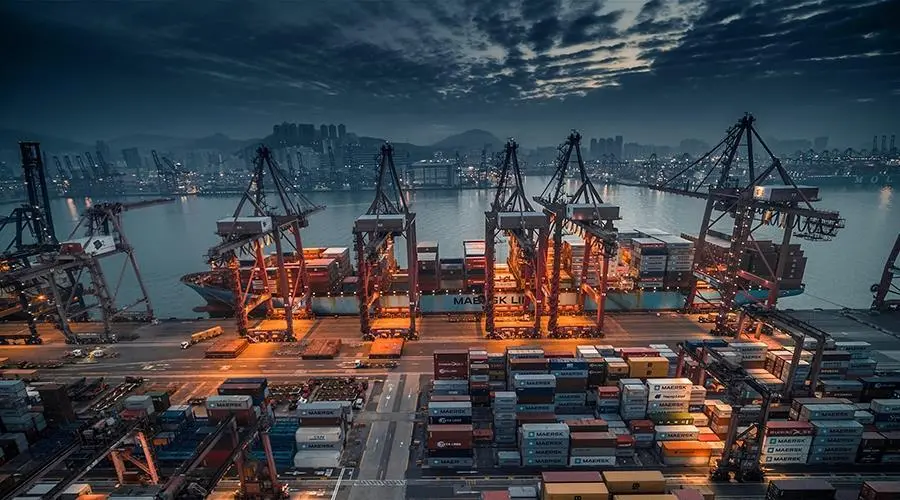
However, half of freight movers still have no electronic visibility of their ocean cargo, instead relying on manual track-and-trace processes.
These are the findings of a FourKites survey of 350 supply chain professionals which have been published in the report, ‘The Great Reset: Ocean Shipping in a Post-Pandemic World’.
“Shippers and other players in the supply chain ecosystem are getting smarter about allocations by tapping into more reliable and real-time data, instead of guessing,” said industry expert Chris Stauber, founder of VentureSoftPM.
“They want to know, for instance, what the risk-versus-reward will be for going to an extra port or country to move their containers, or for shifting from one supplier to three for raw supplies. Additional investment is required to get better data, but the value of that data brings a huge reduction in risk.”
Key survey findings include:
- 50% of respondents reported having zero visibility into their ocean freight, with more than 20% relying on manual track-and-trace processes to track their ocean freight.
- More than half of respondents were most concerned about labour challenges, high shipping costs and impacts to customer service, with 35% also reporting concerns around congestion at the ports.
- 73% of respondents reported having some level of visibility into their over-the-road shipping and 46% plan to invest more in 2023.
The report includes expert analysis on the current state of ocean shipping, predictions for 2023 and ways shippers can shore up their supply chains to build resilience for the future.
Related Articles
 CONTAINER & CARGO HANDLING
 CONTAINER & CARGO HANDLING
 EQUIPMENT