




Valenciaport using AI to predict truck flows
Valenciaport and Nextport have developed a pilot programme using Artificial Intelligence (AI) that can predict the number of trucks that will pass through the port, which terminal will be accessed and whether the truck will be loaded or unloaded.
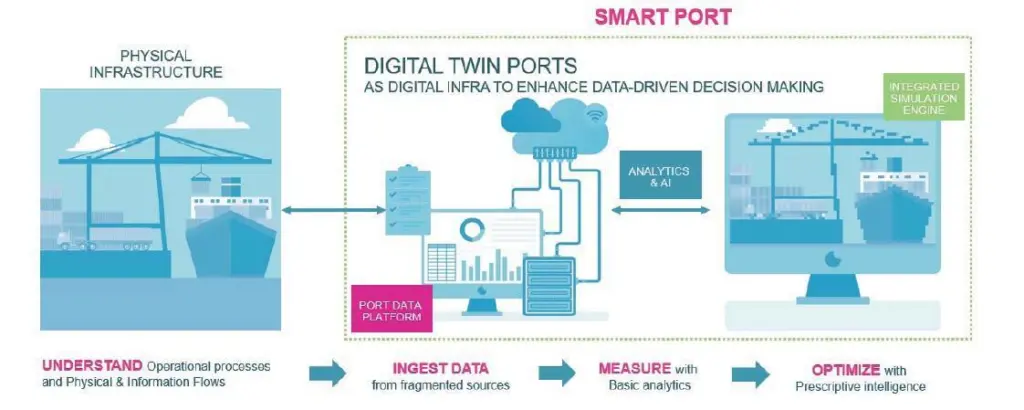
The new Artificial Intelligence system combines Valenciaport’s data, both landside and marine-related, with other relevant information to understand the behaviour of a ship on arrival at the port and its impact on landside traffic flow.
The size of the ships, the type of services and routes, the terminal timetables, the weather, the calendars of festivities in third countries (the Chinese New Year, for example, has a strong influence on port traffic) or even a history of world GDP are considered to adjust this predictive machine learning model; assisted and supervised by specialists in the system.
Using this specialist software, Valenciaport states it can know days in advance what is going to happen in the Valencian docks, both in terms of loading and unloading of ships, as well as the movements that will take place at the terminal gates and the number of truck entries.
This means that when Valenciaport enters in the new system that a ship is going to arrive on a specific day, it will be able to forecast from this point in time the workload for both import and export activities.
Valenciaport points out that this predictive, AI-assisted model represents a competitive advantage for terminals and carriers operating within its facilities as improvements in planning and managing needs and working times can be undertaken far more efficiently.
Jose García de la Guía, Senior Product Manager at Nextport (a division of US-headquartered Moffatt & Nichol) underlines: “With this tool, which combines Big Data technology, Digital Twin, Simulation and Artificial Intelligence, a more dynamic, real-time and prescriptive decision-making process is promoted.”
Moving forward, Valenciaport is also confident that this AI software can assist beyond the port’s boundaries. It states that the information forecast by this software can also be shared, which, if necessary, can be employed to improve traffic management on the roads near ports access points.
As a result, by knowing the volume of trucking that is expected to be using the port’s road connections on an hourly basis, it will be possible to warn truck and other drivers about the latest position who if necessary can seek alternate routes.
Related Articles
 TERMINAL OPERATIONS
 DIGITAL
 DIGITAL