![PortStrategy[GreenPort]](https://www.portstrategy.com/wp-content/uploads/2026/09/PortStrategyGreenPort.svg)


Terminal simulations help Tacoma too
Its all about giving current and potential customers tools to upgrade their operations and increase efficiency, says the Port of Tacomas technology project manager and business analyst, Udo Mehlberg.
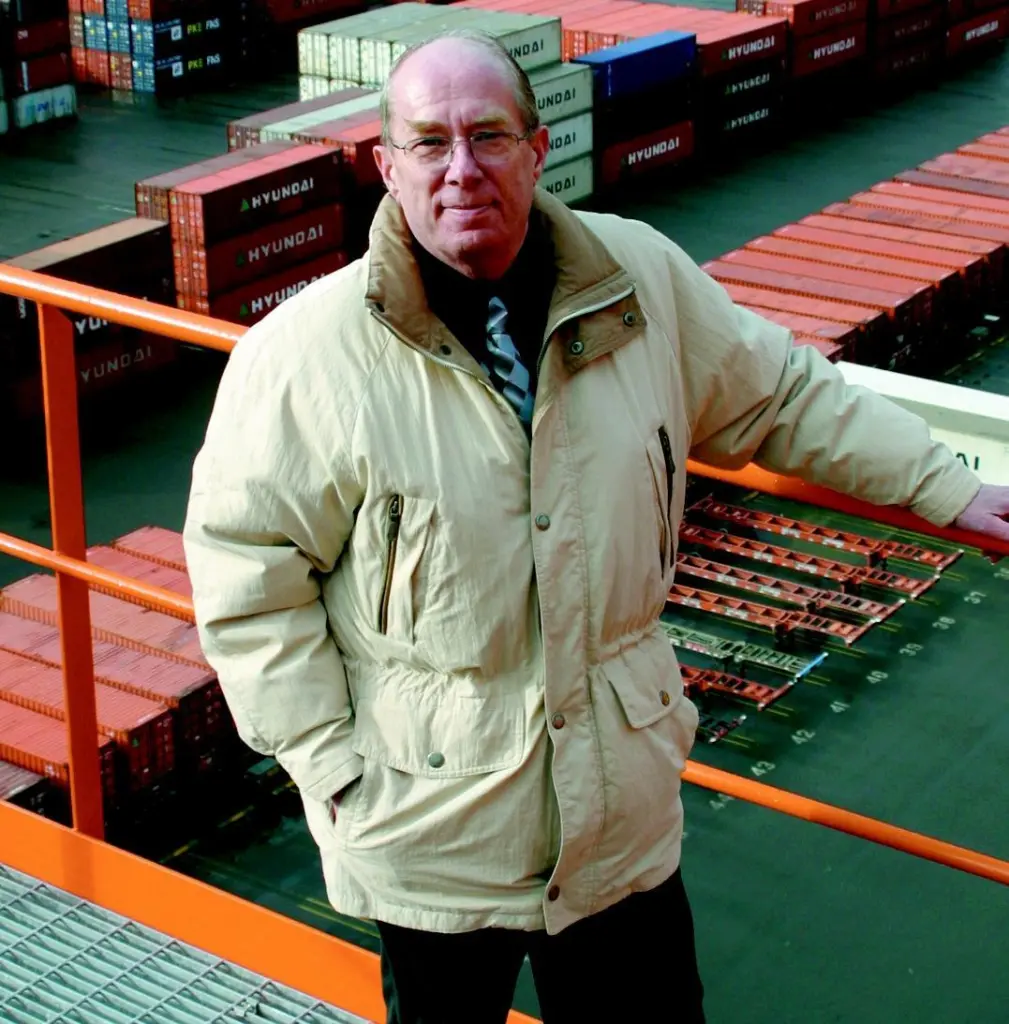
From high-atop a container crane at Washington United Terminals, Mehlberg explains that new terminal simulation modelling has allowed Port of Tacoma customers to be more successful. And, he reports, the technology is helping the port attract new customers.
“It’s become a very effective marketing tool for us, ” says Mehlberg. “Our recent successes in signing up customers for our container terminals occurred – at least in part – because of this software.”
Developed by the Bremerhaven Institute of Shipping Economics and Logistics, the software includes both a “macro” function for long-range terminal planning and a “micro” tool to help with day-to-day operations. The component of the software package that gives the macro – or bigpicture, longer-term view of a terminal operation – has been the most useful in dealing with current and prospective tenants, Mehlberg says. It is called CAPS, short for Capacity and Planning System.
SCUSY or Simulation of Container Handling Unit Systems, is for shorter-term planning and is often used by stevedoring companies and terminal operators. It helps them to determine the amount of equipment or the number and size of longshore gangs needed to move a given amount of cargo. Mehlberg describes it as an “operational support programme that looks at a slice of time, probably the period of time when the vessel is in the berth.”
Related Articles
 CONTAINER & CARGO HANDLING
 CONTAINER & CARGO HANDLING
 EQUIPMENT