

The importance of great rivers
The second conference on Initiatives for the Future of Great Rivers (IFRG), hosted by the Montreal Port Authority (MPA), focused on the increased new energy models which are emerging around rivers.
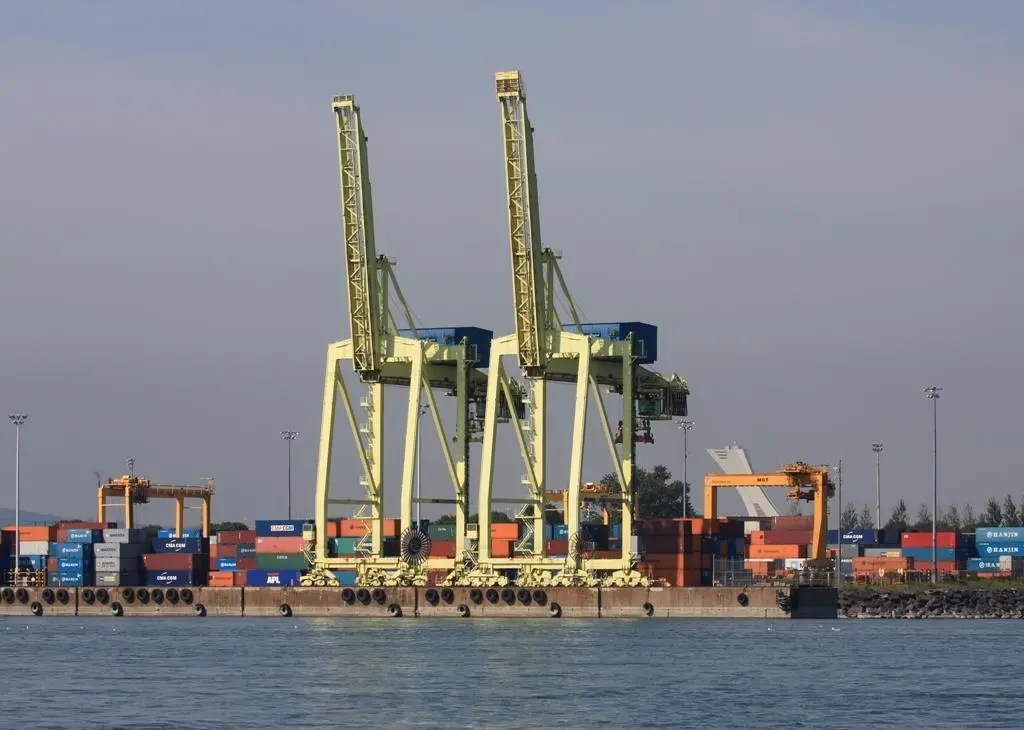
Specifically, it looked at a case study which focused on the Port of Montreal within the St Lawrence and Great Lakes system.
“Through this international gathering of great importance, we are pleased to have been able to help bring a multidisciplinary perspective on the St. Lawrence River, which connects the Port of Montreal to all the continents and more than 140 countries,” said Sylvie Vachon, president and CEO of the MPA.
He continued: “The themes that the MPA proposed to IFGR members were brilliantly dealt with. The expertise and informed view of members will guide us to take better actions to safeguard the sustainability of the river that we depend on so much.”
Montreal’s case study focused on two issues; the collective strategy for the river of tomorrow and the idea of facilitating acceptance by stakeholders of a port’s expansion on river territory.
Despite being one of the resources most affected by climate change, the great rivers are a great source for production of renewable energy and are also an environmentally-friendly and cost-effective means of transportation.
It is therefore necessary to get river managers to dialogue and share good practices for sound management of the resource, this is IFGR’s aim and role.
IFGR wants to share the findings of its second session with stakeholders of the Port of Montreal and the St. Lawrence Valley. The definitive findings will be available in the coming weeks.
The third session will be held by IFGR in October 2016 in Paraguay. It will focus on the example of the Parana River and the Italpu Dam Power Station, which is the first in the world in terms of the cumulative quantity of energy produced and second for installed capacity.
Related Articles
 ALTERNATIVE FUELS GREENPORT