


The next frontier
Seattle has to decide just how ambitious it wants to be, says Martin Rushmere
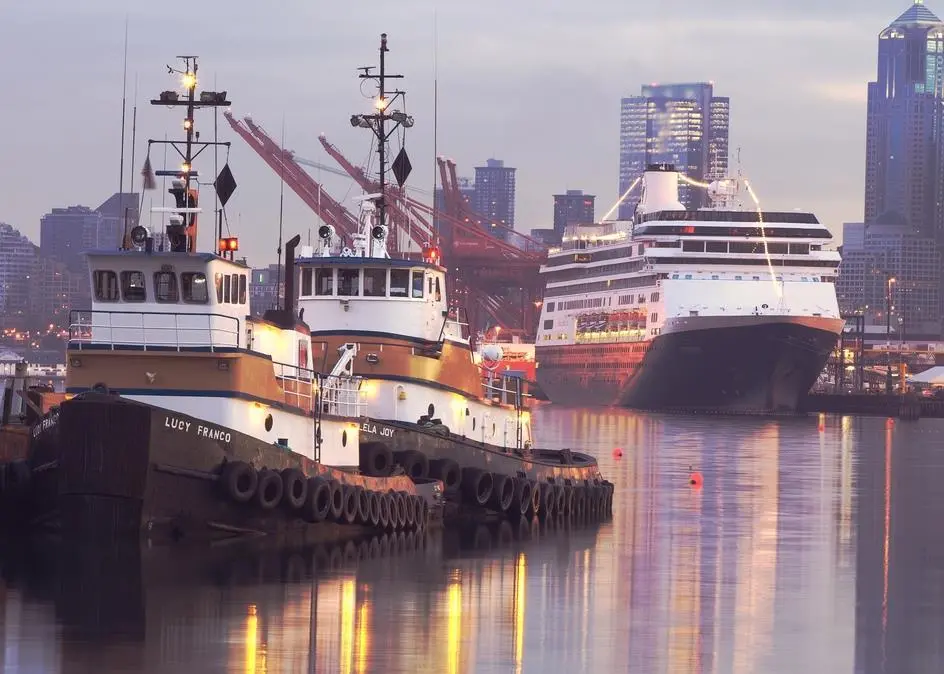
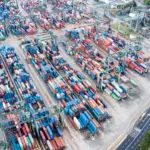
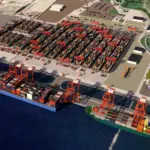
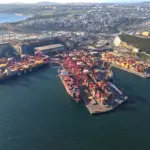
With a target of 3.5m teu a year in the next 25 years, Seattle is a port needing to make up its mind. Based on a yearly growth rate of just over 3% from the likely 2012 total of a little over 2m teu, even its most fervent supporters would find it hard to describe the target as anything more than modest.
What’s more, the planners seem to be admitting that Southern California ports will become even more dominant. Los Angeles handles three times the volume at the moment, but in 25 years time this will have grown to at least five times.
Says port spokesman Peter McGraw: “We based the Century Agenda [25-year plan] figures on our past performance, along with economic and demographic projections. We know we have the capacity to move 3.5m teu annually; we need to insure we have the infrastructure in place in order to move cargo quickly and safely. In the past seven years alone, we’ve had four years of either exceeding or coming close to 2m teu. This expanded throughput can come primarily by adding more labour shifts at our terminals.”
Right there is one of the crucial fulcrums for the next 25 years. The owner-lease style of operations for containers looks set to continue, with no real thought of Seattle becoming an owner-operator in the style of Virginia, or a mix such as Oakland. Leases are medium term, providing no great incentive for the terminal operators to make significant capital or operating changes. And that means the labour arrangements will continue, with the International Longshore and Warehouse Union controlling the action.
Crane moves will stay in their rut of 25-32 an hour and the port will be part of the regular six-year agony of new contract negotiations.
Union talk
Enter the Teamsters union. This is trying to establish a commanding say over cargo vehicles servicing the port. Their efforts have mainly been concentrated on the whole Western Seaboard’s joint effort to modernise vehicles and cut air pollution, with the Teamsters pushing for the vehicles and drivers to become employees of established transport companies, putting an end to the traditional arrangement of them being individual owners and operators.
Critics say this is because the drivers of these companies are already controlled by the union, while the Teamsters says it wants to improve pay, job safety and security. The union has become a strong supporter of the very successful environmental programme at Seattle, much of which involves cleaner vehicles, and says that drivers need to become formal employees so that they can get the most modern, cleanest vehicles.
Analysts sigh over the port’s situation. They say that in an age when foreign ports are introducing revolutionary systems, the best that terminal operators at Seattle can come up with is adding more shifts. “It’s as though the planners are resigned to mediocre performance,” says one. “They are at risk of sending the future down a one-way street that could get Seattle bypassed.”
Yet, in the short term, the planners are confident of a rapid rise in revenue, with containers expected to bring in $92m in 2017, a 50% increase over five years. Observers say it is difficult to match this against the 25-year goal.
Firm footing
Financially the port is in pretty sound shape. Says a port executive: “For the full year, the seaport is forecasting revenue to exceed budget by $13.7m.” Cruise revenue will be $1.7m, and security grant activity $1m.
“Total operating expenses were $1.7m less than forecast through the third quarter due to delays in implementing initiatives, maintenance projects coming in below budget and below budget corporate expenses,” says the port. “The seaport is forecasting full year operating expenses to exceed budget by $500,000 primarily due to security grant expenses.”
Net operating income is estimated to be $13m better than budgeted and $4.4m above 2011.
Over the next five years, gross revenue from the leased terminals is forecast to rise 15% to $93m, while net income before depreciation is set to increase by 16% to $57m.
There is growing agitation, mostly from politicians and outsiders, for the port to place more emphasis on cruise ship business. Despite a record summer season (900,000 passengers), net income is forecast to rise to only $4m in the next five years. Analysts attribute this to the high cost of maintaining and staffing the terminals. “Cruises are about people who want prompt, personal service,” says an economist. “That means a high staffing ratio – and there is no getting away from it. The real value is the money spent in the city by all those passengers. Merchants and city hall lick their lips, but the port gets relatively little.”
Related Articles
 CONTAINER & CARGO HANDLING
 TERMINAL OPERATIONS
 CONTAINER & CARGO HANDLING