



Thinking outside the box
Sometimes, ports and their customers have to go outside the square when it comes to thinking up storage solutions.
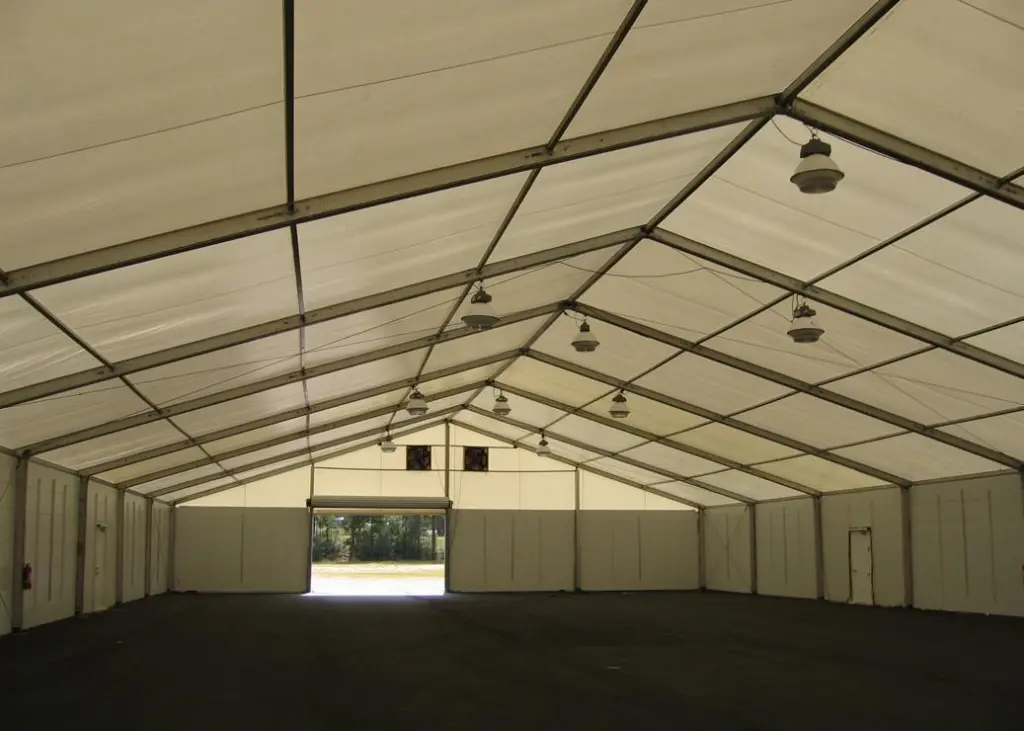
Temporary storage facilities are frequently used where equipment or materials are being imported for a construction project. In this case the project is for a defined duration and so a temporary facility is appropriate. Generally these facilities take the form of temporary compounds or demountable buildings.
UK-based consultant Richard Clarke says he used temporary facilities when importing food for the World Food Organisation. “This is generally for famine relief and is by definition temporary. The tendency here is to use floating storage on ships as this minimises damage by water and vermin.
“There was a recent example in Africa where a tanker was used as floating storage for LPG. The city had encroached on the port area making it difficult to build new onshore LPG storage so the importer used a tanker offshore to replenish the onshore storage at frequent intervals,” he says.
Then there are the engineering challenges. “The engineering solutions in say Port Klang (Malaysia) with very soft ground solutions are completely different to those in say King Abdullah Economic City (Saudi Arabia) where the port is being cut out of weak rock,” says Mr Clarke.
Also, temporary structures may have to comply with some specific bespoke requirements.
Beth Wilson of Mahaffey Fabric Structures says that depending on the location, a structure must be engineered to withstand required wind and snow loads.
“All structures come with a standard wind load of 90mph, though our wide-profile frame structures allot for 120-plus mph.
“Upon site inspection, there may be a variation in the ground for which we will have to provide raised flooring to make it level; an unusually tall side height; or end up crane-lifting or hand-carrying components to the site due to restricted space.”
Related Articles
 NEWS
NEWS
 CONTAINER & CARGO HANDLING
 OPERATIONS