![PortStrategy[GreenPort]](https://www.portstrategy.com/wp-content/uploads/2026/09/PortStrategyGreenPort.svg)


Tighter belts
Global credit crunch and port finance provision tightens but the year still starts with some new wave deals, as Mike Mundy reports
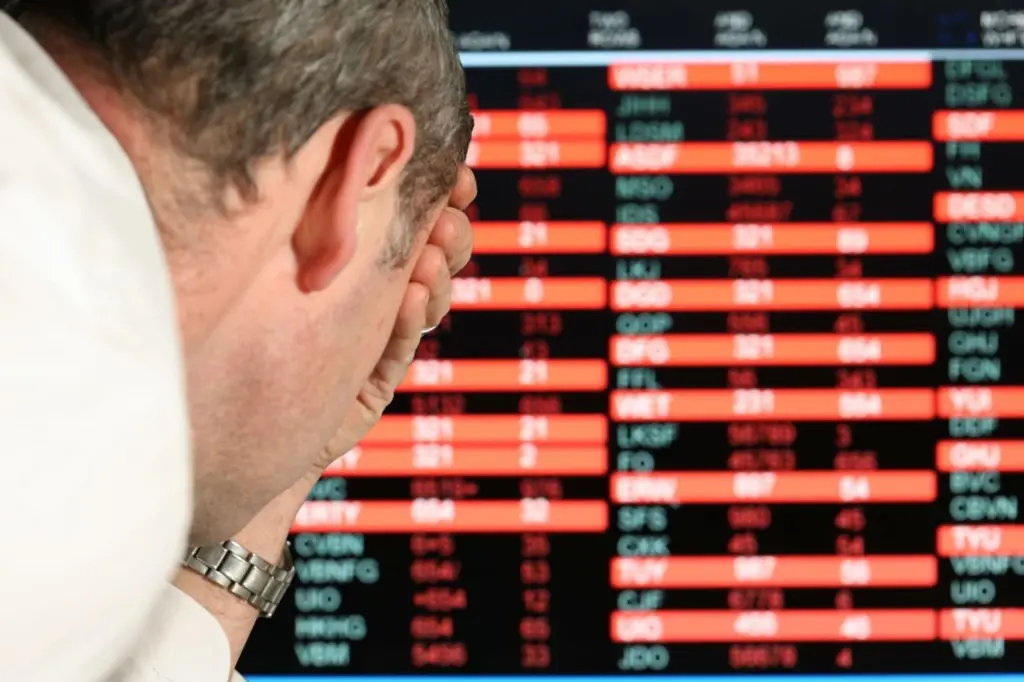
Can we expect more of the same in 2007 regarding financing port projects or will there be a tighter environment all round? The roller coaster ride in financial markets at the beginning of 2008 would certainly suggest the latter. One minute the world’s major stock markets were heading south and next they were bouncing back led by what has been dubbed the “Wall Street whiplash” factor.Behind this, US agencies have been doing their best to do some big picture financial engineering – an unscheduled 0.75% interest rate cut from the Federal Reserve (the biggest cut in 25 years) and, following hot on the heels of this, a comprehensive package of measures from the White House and the Democrats in Congress aimed at boosting economic growth in the US where fears of a recession have risen. The latter includes a tax rebate to some 117m US homes of up to $600 for individuals and up to $1,200 for married couples. “Because the country needs this boost to the economy now, I urge the House and the Senate to enact this economic growth agreement into law as soon as possible,” said President George W Bush.
Clearly, there is major recognition of the need to both bring stability to the financial markets and to stimulate a new cycle of positive growth. And there is strong support for the latter action not only within the US but also from outside with diverse parties recognising that, when “the US sneezes the rest of the world catches a cold”.
At the time of writing towards the end of January, the overall financial climate was much healthier than just a few days earlier although it was by no means certain that it would stay that way. A report from management consultant Oliver Wyman, for example, warns that there are up to $300bn of losses to come from the subprime fall out on top of the $100bn already reported. Further, that the downstream impact of this among other things will result in a major drop in Asian markets, especially China and India and further imbalances in global commodity prices following 2007’s surge in the value of oil, gold, coal and agricultural products. “To thrive in the current challenging environment, chief executives will need a much tighter grasp of potential exposures and a contingency plans for worsening markets,” says the report.
Credit crunch impact
So what does all this mean for the specialised world of port finance – finance for day-to-day business activity, for infrastructure and equipment installation and for acquisitions?
The common view is within the major banks providing debt finance, entities such as HSBC and DnB Nor bank, that it is natural that the credit crunch will have an impact and that more conservative terms will be applied. A more rigorous eye will be cast over financing requirements and a sterner judgment applied in this era of volatility and increased risk. Effectively, a step back will be taken.
Broadly speaking, among conventional banks a similar approach will also be applied with finance provision for capital development works and for acquisitions. In particular, as is usual in tough times, it is most likely that a more rigorous approach will be taken to approving finance for projects in the emerging world. The greater the risk, the greater the caution exercised. And in this latter respect it is noteworthy that only recently Aon Crisis Management voiced the view that multinationals now face elevated economic and political risk in 25 of the 50 largest global economies.
Against this background, then, the fielding of a more conservative approach to port financing by the sectors traditional banking partners appears most appropriate.
What is remarkable, however, at the beginning of 2008 is that a number of the new players involved in port acquisitions and most notably infrastructure funds appear to have lost none of their appetite for port deals. Babcock & Brown’s move on UK-based Forth Ports is an interesting development. At the time of writing it had acquired 23% of Forth’s stock and it remained to be seen if it would go for a full takeover but certainly it seemed that this was on the cards. Another notable development is the acquisition of a majority stake in Buenos Aires container terminal operator Exolgan by UK-based International Port Holdings, backed by Global Infrastructure Partners, in partnership with PSA International.
In short, in 2008 there appears to be no shortage of cash among major infrastructure funds to continue their advance into the port sector.
Related Articles
 CONCESSIONS & INVESTMENTS
 PORT & TERMINAL NEWS
 INSIGHT & OPINION