![PortStrategy[GreenPort]](https://www.portstrategy.com/wp-content/uploads/2026/09/PortStrategyGreenPort.svg)






TT Club warns of enclosed spaces risks
Specialist insurer, TT Club, is highlighting the dangers of confined or enclosed spaces in the supply chain industry.
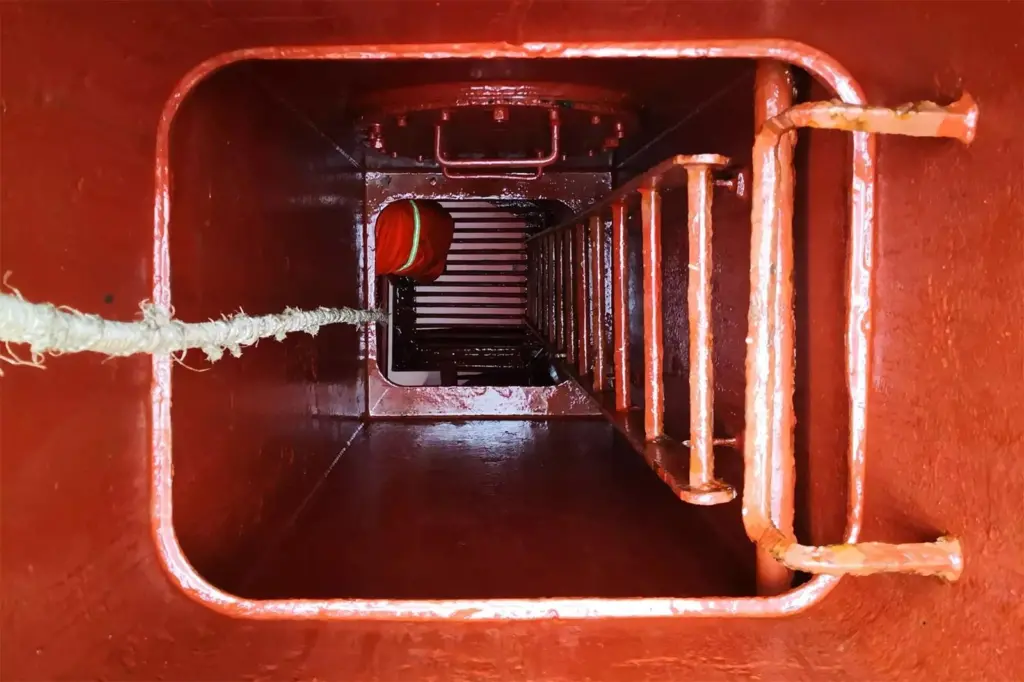
Sealed cargo units, holds and their stairwells and tank containers can all pose a threat to life because of reduced oxygen levels arising from factors such as decomposition of biodegradable contents or rusting of the containers. Other harmful gases might be present such as toxic vapours from leaking cargoes.
“The key risk is that workers may not readily recognise spaces that could present danger,” said Peregrine Storrs-Fox, risk management director at TT.
“The cargo hold of a ship is a leading example, but containers and other cargo transport units pose similar risks – there may be a lack of knowledge of the cargo packed or whether fumigants have been used. Similarly, tanks units, whether a road barrel or tank container, certainly qualify as enclosed spaces.”
The speed with which the effects of oxygen depletion can become debilitating require thorough and regular communication to ensure that operatives understand the risks. When entering a lethal space there are no obvious red flags, warned Storr-Fox and there may be no warning symptoms such as coughing or feeling breathless.
The quick onset of danger often leads to others rushing to help, unaware of the risks posed. Statistically, over 60% of fatalities connected to confined and enclosed spaces are suffered by would-be rescuers.
“The silent and invisible nature of this killer emphasises the importance of raising awareness of the risk,” stressed Storrs-Fox. “Developing and undertaking drills to practise rescues are crucial steps in mitigating the risks, as are risk assessments, discouraging short cuts in work practices and testing, monitoring and venting air in confined areas.”
TT has developed a checklist of risk mitigation strategies.
Related Articles
 CONCESSIONS & INVESTMENTS
 PORT & TERMINAL NEWS
 INSIGHT & OPINION