


Germany facilitates shore power growth
German authorities have agreed on a package of measures for shore-generated power to provide cleaner air in German port cities.
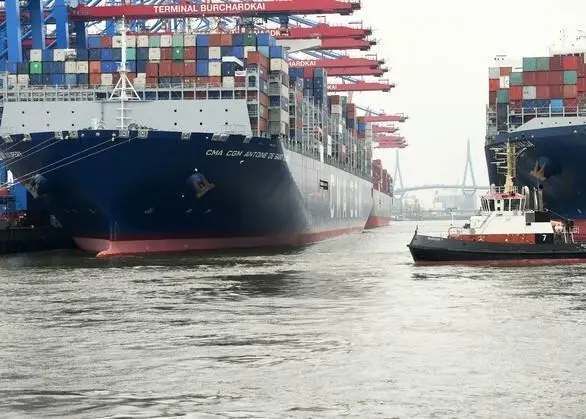
Among other things, the package of measures provides for rulings that make a start on reducing levies, as well as special network charges, for cruise liners, ferries and containerships. This follows the recent approval of a €76m expansion of shore power supply in the Port of Hamburg.
German economics minister, Peter Altmaier, said: “We aim to make German port cities cleaner. With these measures, we are making a significant contribution towards cleaner air and a reduction of CO2 and noise in port cities along the North Sea and Baltic coasts.
“We are also giving ports and shipowners planning certainty for expanding facilities and refitting ships.”
2020 legal leap
Premier Daniel Günther of Schleswig-Holstein said that the agreement will apply to all port cities on the North Sea and Baltic.
“By mid-2020 we should have initiated the essential legal steps. I am expecting rapid implementation of what we have agreed,” he said.
Among other things, the package of measures provides for rulings that make a start on reducing levies, as well as special network charges, for cruise liners, ferries and containerships.
Compared to inland shipping, seagoing ships have to reckon with distinctly higher costs, since they consume considerably more electricity during longer port lay times. They can currently only secure a supply on the basis of extremely unfavourable consumer profiles, said the Port of Hamburg.
At the same time, a programme of subsidies totalling €140m should be in place from 2020 to assist states and ports in expanding essential port infrastructure.
Hamburg, Kiel and Rostock seaports are already planning expansion. A shore power supply unit for ferry services entered service in Kiel in May. The measures announced should enable such units to be operated on a commercial basis
Related Articles
 ALTERNATIVE FUELS GREENPORT
 ENERGY & TECHNOLOGY GREENPORT
 ENERGY & TECHNOLOGY GREENPORT