

Port merger to create green energy hub
The ports of Antwerp and Zeebrugge are to merge in order to maximise sustainable growth, resilience and leadership in the energy and digital transition.
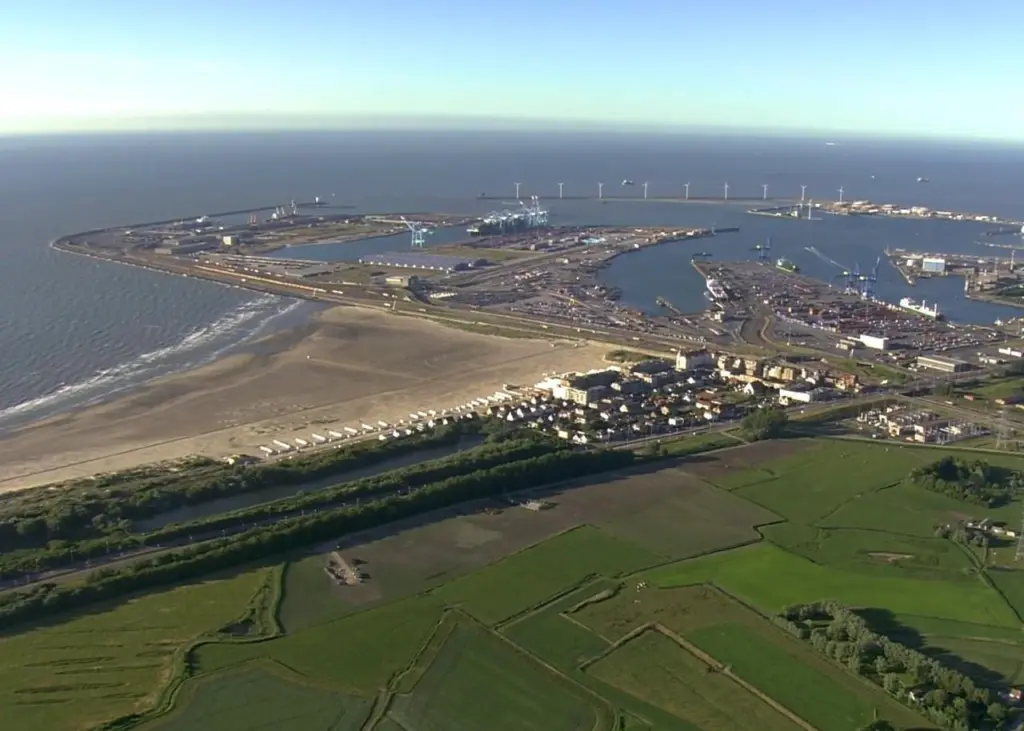
This merger agreed between the City of Antwerp and the City of Bruges will set the bar even higher in terms of sustainability and marks the start of a unification process that is expected to take a year to finalise.
“Zeebrugge is the world’s largest automotive hub, a leading RoRo port and an experienced, state-of-the-art natural gas hub,” said Dirk De fauw, mayor of Bruges and chair of Zeebrugge Port Authority.
“By combining our own strengths with the qualities offered by Antwerp, we will be able to do more and do it better.”
Unified cause
The merged Port of Antwerp-Bruges will create a container port capable of handling 157m tonnes/year, one of the largest break bulk ports and the largest port for the throughput of vehicles in Europe.
It will account for more than 15% of Europe’s liquid natural gas transited and will remain Europe’s most important chemical hub.
The Port of Antwerp-Bruges will seek to develop and make optimum use of the interconnectivity between the two ports with the transportation of goods by rail between the two sites bundled, inland estuary traffic optimised and pipeline connections created.
Combining the industrial cluster in Antwerp and Zeebrugge’s location on the coast will create a unique opportunity to address the future energy challenges in Flanders and the wider region.
As such, Port of Antwerp-Bruges will take up a leading position as an import hub for green hydrogen and will play an active and pioneering role in the hydrogen economy.
In addition, the port, in collaborati
Related Articles
 ALTERNATIVE FUELS GREENPORT
 ENERGY & TECHNOLOGY GREENPORT
 ENERGY & TECHNOLOGY GREENPORT