![PortStrategy[GreenPort]](https://www.portstrategy.com/wp-content/uploads/2026/09/PortStrategyGreenPort.svg)





Rotterdam
For Rotterdam, there are bright spots as a direct result of the downturn.
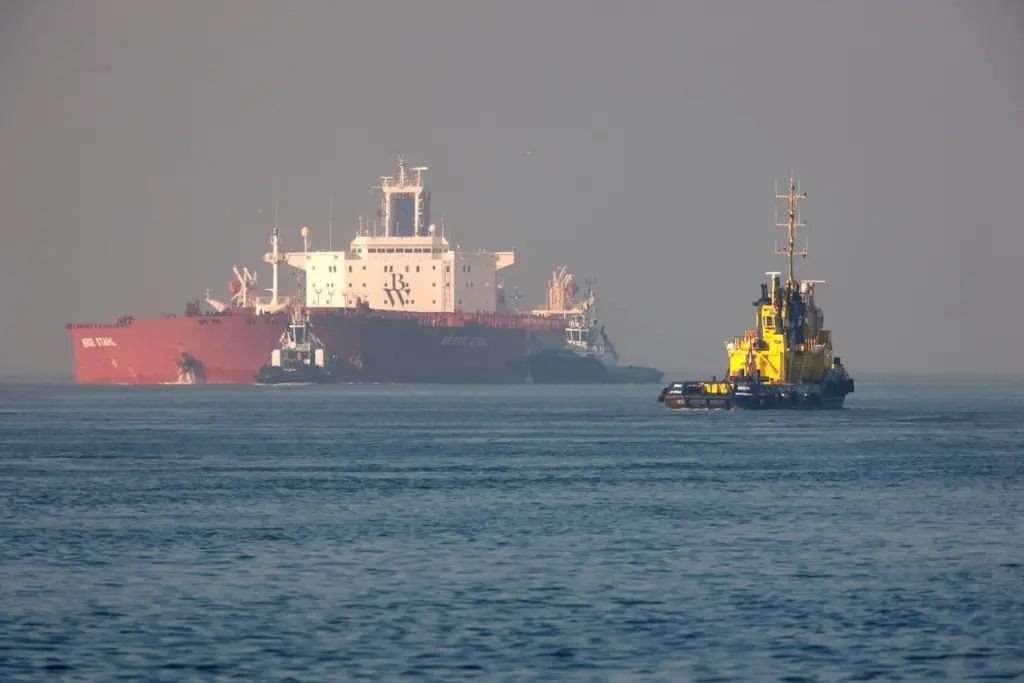
Tank storage companies handling crude oil and oil products are busy, and demand for storage capacity for aluminium has increased sharply.
The stock of ferrous and non ferrous metals within the port of Rotterdam has been growing since mid 2008 and since then is said to have filled up every possible warehouse and every available location.
The increasing storage of raw materials is generally good news for the storage companies – depending on their business model – but it brings in little income for the port authority, which from a financial point of view would obviously prefer to see the rapid movement of goods through the port.
“Storage is being positively influenced by the decline in demand,” says Rotterdam port spokesman Minco van Heezen.
“In metals and oil products, this is a well-known process. Storage facilities for these goods are completely sold out now, but there is no point in speeding up construction to a level matching the extraordinary situation for reasons of time lag, overcapacity, declining revenues, etc.
“Both in sheds and tankage, the expansion is steady. There is enough room for new dry storage. In tankage, we have to create some new possibilities within the present port area.”
It is likely that fruit and biofuels will perform “considerably well” this year, says Mr van Heezen.
And there are other positives, he adds: “The rail sector gets the opportunity to improve the handling within the port area and ECT has more breathing space to work the starting-up problems out of the Euromax terminal. And so far there have only been job cuts in the flexible workforce – ie the labour pool and some other smaller flexcompanies.”
Related Articles
 PORT & TERMINAL NEWS
 EXPANSION & DEVELOPMENT
 PORT & TERMINAL NEWS