![PortStrategy[GreenPort]](https://www.portstrategy.com/wp-content/uploads/2026/09/PortStrategyGreenPort.svg)






Call on the community
The UKs Big Society ethos cant be small-minded when it comes to port ownership models. Stevie Knight reports
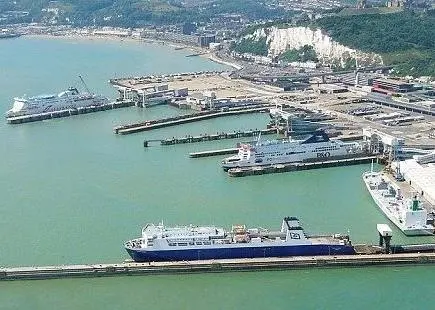
Some people may have been worried that the last attempt at heavy-handed government privatisation was about to replay itself in relation to the UK’s trust port issues, but there seems to be little appetite for it this time around.
It may be simply because there’s bigger fish to fry: there’s no government money going in, no public expenditure, and the one-off sale price is too small to count for much in the echoing emptiness of the treasury coffers.
The new initiative (Modernising Trust Ports II) was released just as the downturn was biting and the government left it at placing a stronger emphasis on commercial accountability and an onus on trust ports to identify the value of their status along with some mention of key performance indicators.
For the larger trusts above the privatisation threshold, there was requirement that they should look at the appropriateness of their corporate structures – the report back to the government getting no more reaction than ‘keep an eye on things’.
So, it’s being left to individual port boards to work out how their plans will best be supported, continuing as a trust or not.
However, there’s one wild card being thrown in. Charlie Elphick, the charismatic Dover MP, has worked tirelessly – initially to stop the privatisation of the UKs largest port going ahead, and then to find a way for a community organisation to take the port over.
By using the language of the much-vaunted “Big Society”, Mr Elphick has manoeuvred Dover and potentially all the other trust ports into an “interesting” position, whereby it looks like this community involvement will be enshrined in law.
This would effectively create a new type of port, and there is a possibility of setting up something that is neither fish nor fowl and the pressures could prove to be mutually exclusive. “You don’t know what’s going to happen,” said David Whitehead of the British Ports Association. “Its not a show stopper, but needs careful thinking through.”
Although there’s a lot of flexibility as to how this community involvement will be enacted, one problem is that any trust port privatising under the new criteria might find themselves comparatively disadvantaged by having this extra control, particularly if profit sharing were to be involved. Investors might well be put off, and it would almost certainly depress the price.
On the other hand, this new kind of port organisation should, by implication, also have community support; you could argue this might ease the path toward development – or you might get a dispute generated by divided local interests, especially, as Jimmy Chestnutt of Hampshire Chamber of Commerce adds, “Ports are all about location, location, location – but their stakeholders or operators can have a very personal or company-centric agenda and that can hinder the development of the port or see it developed in a way that does not benefit the wider community.”
There’s also the nubby problem of the government deciding to force through a few more sales – how would these ports, faced with an unwelcome privatisation, also incorporate involvement potentially at odds with its own judgement? Further, what about ports that might otherwise have decided to privatise, but will be put off by the requirement of having to woo a community?
Either way, it remains that a new type of corporate model is being created which will need the confidence that it can compete to its full potential – yet keep its community element if sold on. Given all this, a port may prefer to retain trust port status but borrowing money remains much harder and may need special government consideration.
Mr Whitehead concludes: “There are many strands to running a successful business and the ‘local input’ one seems to be rather overplayed right now.”
Related Articles
 PORT & TERMINAL NEWS
 EXPANSION & DEVELOPMENT
 PORT & TERMINAL NEWS