


Lost and found
Packed with rotten prawns, unpaid-for bicycles, or forgotten sofas – abandoned containers can cause headaches. Felicity Landon reports
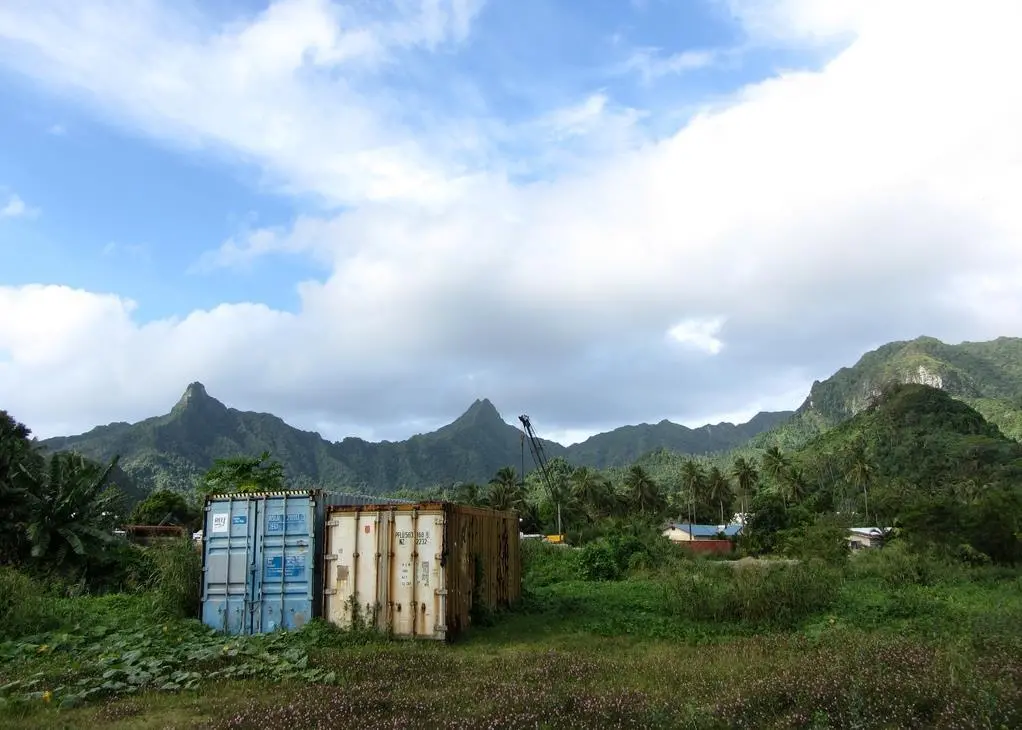
How big is the problem of abandoned containers? According to one major shipping line on the Asia-Europe run, the numbers have decreased considerably compared with three or four years ago – but still shipping lines and the ports they call at routinely end up with boxes full of contents that no one apparently wants.
According to US Department of Transportation figures, more than 700,000 loaded containers are abandoned each year in the US alone – most of them ending up at ports. Worldwide, it is hard to determine a total. Containers are abandoned for a number of reasons: the shipper cannot afford to pay the freight charges, or goes bankrupt; the cargo is unwanted; the cargo is damaged; or there are disputes between shippers and consignees. But there are other issues, too.
“Intuitively, one would expect that abandonment was triggered by financial difficulties on the part of the cargo interests generally or in response to the collapse of a particular deal or the parties not being familiar with or correctly following the import country’s regulations,” says George Radu, who handles P&I claims at Thomas Miller’s San Francisco office. “However, it has been our experience that increased regulation has made a significant impact, particularly in China, where recent changes in the law for importing waste cargoes have had a dramatic effect on the number of abandoned waste containers.”
As waste regulations have extended or tightened in some countries, some cargoes may prove uneconomic to clear through customs, says Mr Radu. In other cases, the cargo fails to meet import standards and cannot be cleared. “In both situations, the cargo owner may abandon the cargo and even seeks to avoid paying the outstanding ocean freight and other charges.”
Low-value exports to Asia have been abandoned at the discharge port and waste cargoes especially continue to cause problems in this region, says Mr Radu. The UK Club’s publication ‘The perils of waste shipments in freight containers’ highlighted this as far back as 2008. “Waste cargoes from the US and Europe were being abandoned at Hong Kong and Chinese ports as local regulations banned their import into the country. In some cases, the shippers had no intention of clearing the goods into the destination country. Having charged the original producers of the waste for removal and disposal, they absconded.”
Cold turkey
Regulations can impact on other more bone fide trades, too. Shipping lines in Hong Kong have faced a problem of undelivered containers of frozen poultry this year, most from Brazil and the US, because of the tightening of quarantine control in China. “Cold storage facilities are fully occupied in the region, so expensive reefer containers function as storage in the port,” he says. “Fortunately, these cargoes’ higher value and the shippers’ tendency to be more established and responsible meant efforts were made to solve the situation. Customers endeavoured to collect their containers, although it involved some hard negotiations and concessions by carriers on storage charges.”
At the European end, one UK import manager says that three or four years ago, it seemed as if many customers were holding or ordering large amounts of stock on the promise or basis of high sales. “When situations occur which may have been unforeseen by these clients – weather is a classic example for camping equipment or garden furniture – this is when cash flow and other issues arise.”
Container abandonment has reduced, probably because of more sensible ordering, he says. “We ourselves have seen fewer companies go bust over the past 12 months.”
His experience is that the main reason for containers being abandoned is failure to pay the shipper for the outstanding balance on the goods. “Most goods are shipped initially only on a deposit, with the balance to be paid later on, which is when the bills of lading would be released.
“Sometimes customers are unaware that a container has been shipped and arrived. While the shipping line does advise of arrival, there is no comeback on the line if this arrival information is not received. We would chase clients, but not until about one month after arrival. In this period, containers can already have built up over £1,000 in rent. By the time they get the paperwork, etc., the rent then gets up to £2,000 and the issues start to become a major problem, especially with low-value goods.”
In the middle
The system of ‘middle men’ – forwarders and agents – adds to the complexities. In one case, a shipping line recently had an issue with a very large forwarder whose customer had gone out of business, leaving 20 containers to be dealt with. “As we were only dealing with the forwarder, they handled the problem – because to walk away would have left them owing us a lot of money.”
Adding to the difficulties, the forwarder or agent’s name will be on the manifest and usually not the name of the end customer, hence making it more difficult to connect container and ultimate owner if the middle man is missing.
Bizarrely, there are also cases of owners simply forgetting about their containers. Chris Lawrenson, managing director of container depot group Pentalver, says: “As fantastic as we think supply chains are these days, with all of the electronic information, things still go wrong. It only takes someone to forget to add something into the system and a container can be forgotten.
“Occasionally the importers forget where they have put a container. We had a couple of containers of sofas at the depot in Felixstowe for over a year. When they finally arrived and opened them up, the leather had mildew.”
Pentalver also works with the UK’s Environment Agency where mis-declared export cargoes have been sent back to the UK. For example, the Felixstowe depot has handled containers of waste rejected and sent back by Indonesia. “We also see instances where the cargo has been sent back because of a malfunction of the reefer box; we once had to dispose of 20 tonnes of prawns to the tip.”
Return to sender
The main thing is the shipping lines want their container back, says Mr Lawrenson.
“When the box is not in service and being stored, it is costing the shipping line money. As the container fleets get tighter, the lines want to make maximum uses of each box. The advent of slow steaming means the container is on the vessel a lot longer, so there is even more pressure to turn equipment round.”
Pentalver gets involved once the shipping line has identified a container as abandoned. “Our involvement begins when the shipping line exercises its right of lien,” says Mr Lawrenson. “If the box is not already with us, it will usually be moved into our depot to reduce on-port storage costs.”
Related Articles
 OPERATIONS
 OPERATIONS
 PRODUCTS & SERVICES