



Container exports fluctuate
This year is proving to be a mixed year for container exports as “the recession continues and it looks like peak season may not come about”.
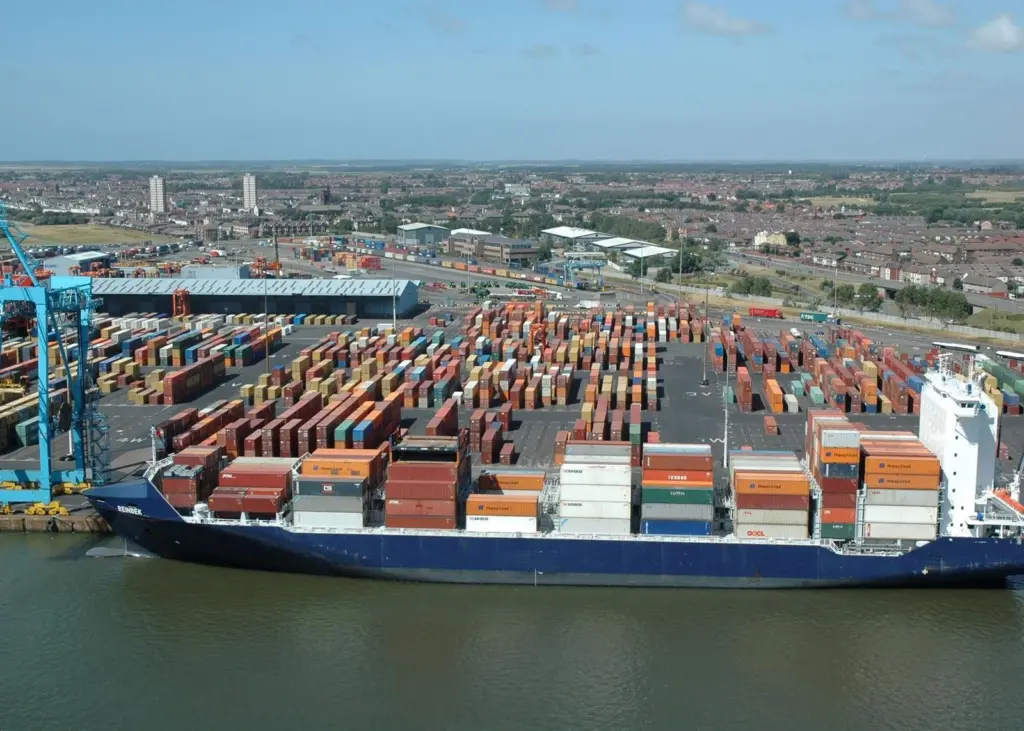
According to Hackett Associates’ latest Global Port Tracker: North Europe, some regions continue to struggle with “sluggish growth”. The Tracker forecasts a growth of only 0.9% to 40.1m teu in 2013 for total box handling in the Hamburg-Le Havre range.
And as global container carrier fleets continue to grow, carriers are looking for ways to increase or at least stabilise rates, with a number of carriers dropping voyages in August and September.
In a move to tackle the issue of overcapacity, three of the largest carriers, Maersk, CMA-CGM and MSC, have formed the ‘P3’ alliance to bundle activities on major trade routes.
The consolidation moves of the carriers also impact on the North Range ports. Carriers with ‘home terminals’ in the North Range are trying to convince their partners to move cargo to these terminals in order to increase their utilisation – something which is “difficult in an alliance constellation”, said Ben Hackett, president, Hackett Associates.
As a result, the P3 may concentrate transhipment traffic in certain ports, but Hackett says the hinterland traffic will most likely continue to be dispersed between the ports.
But it’s not all bad, with the latest Container Trades Statistics (CTS) aggregated volume data survey revealing that, overall, global containerised exports in May grew by 2.05% to 11,305,800 teu – the highest global total for May in the past two years.
CTS says total exports from Asia to all overseas markets also rose by 6.12% to 6,488,500 teu from last month, and containerised shipments from Asia to all markets displayed growth, particularly to Indian Subcontinent/Middle East and South and Central America.
Related Articles
 OPERATIONS
 OPERATIONS
 PRODUCTS & SERVICES