

Generating added value
A new global report outlines the role of ports in urban and national economies in order to assess and improve the positive impact they make to their communities.
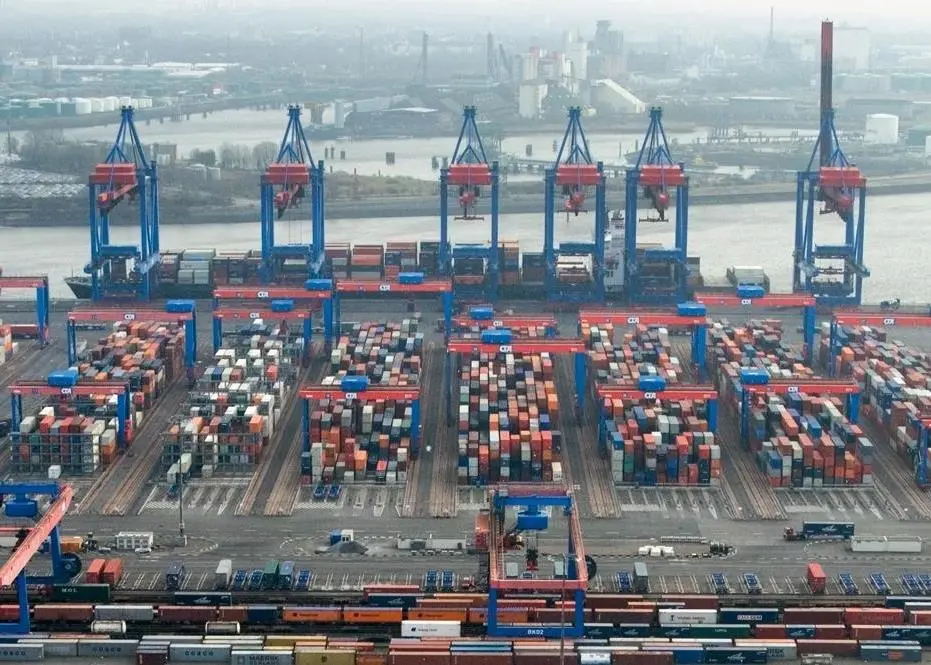
The Organisation for Economic Co-operation and Development (OECD) Competitiveness of Global Port-Cities; Synthesis Report , presented at an OECD conference recently, involved ten case studies, which included Rotterdam/Amsterdam in the Netherlands, Mersin in Turkey, Hamburg in Germany, Helsinki in Finland, and the Seine Axis (Le Havre, Rouen, Paris, Caen), in France.
Olaf Merk, programme director and administrator, Port-Cities, OECD said that the report provides a wide scope of policies applied in many countries and good practices with respect to logistics, ports and transportation because there are a lot of elements that could be helpful to the ports industry.
“There is a large variation in how ports can generate more added value though”, he said.
Mr Merk pointed out there are three main models for increasing local value from ports (maritime clusters, industrial development and port-related waterfront development), but there are mixed results from all these models.
“There is no universal recipe for success but there are some generic lessons. Know your local assets, be coherent in your policies, accept the limits of public policy and arrangement alignment of interests and projects among the main actors.”
He warned that ports need to create local economic value, “If not they will be out of business sooner or later”.
The report has so far been welcomed by Koji Sekimizu, secretary general, IMO, and also received praise from Dimitros Theologitis, head of ports and inland transportation at the European Commission. He has been using the report to prepare the ports policy package that will go before the European Parliament this Autumn.
The OECD is now looking at working on governance and regulation of ports, using Antwerp as a case study.
Related Articles
 OPERATIONS
 OPERATIONS
 PRODUCTS & SERVICES