


Closing the gap on port-city policies
A new report suggests that effective public policies are needed to improve port-city development, but the amount of policy-relevant knowledge is limited.
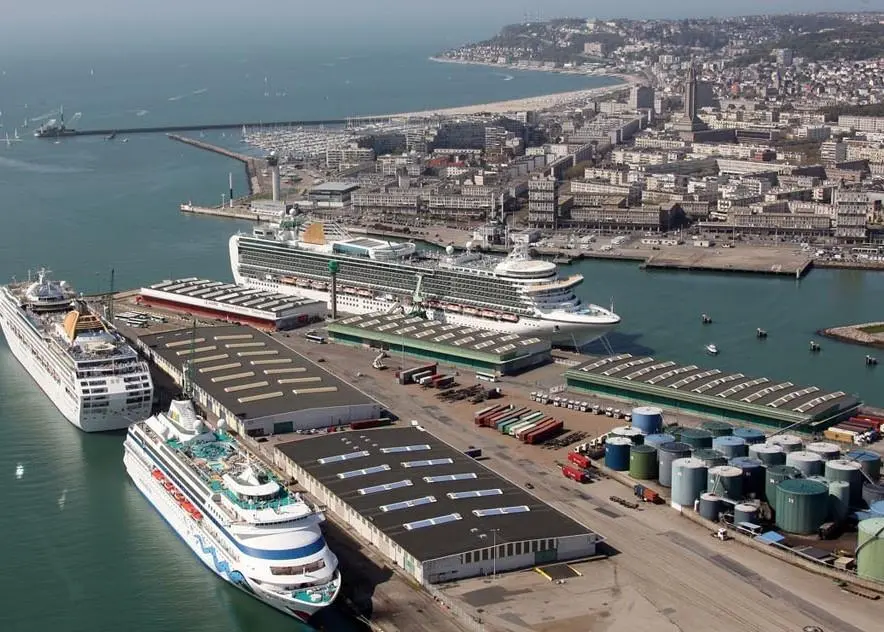
The Organisation for Economic Co-operation and Development’s (OECD) report, which is part of its Port-Cities Programme, aims to identify how ports can be assets for urban development and assesses the impact of ports on cities and regions.
Olaf Merk, administrator of the OECD Port-Cities Programme, told Port Strategy: “The main challenge for ports is creating value. That sounds trivial, but many ports – and their cities – are struggling with this. Ports will have to think increasingly about a future beyond cargo handling.”
“The main challenge for cities is to organise and structure this debate. How can ports be drivers for development? It is only in a spirit of cooperation between a ports and the city that synergies can be reaped,” he added.
Many port-cities are facing the “local-global mismatch” whereby many of the economic benefits of ports spill over to other regions, while many of the negative impacts are “highly localised”.
According to the report, more than 90% of the indirect economic impacts of the ports of Le Havre and Hamburg are taking place in other regions rather than the port region itself.
Containerisation, globalisation and consolidation of the terminal industry, port concentration and the growth of global cities have added to the problem, the report suggests.
OECD says as demand for knowledge and assessments of the effectiveness of port-city policies increases, it’s vital the policy gap is filled with more transportation and R&D polices to stimulate development and high port traffic performance.
The full report can be read here.
Related Articles
 OPERATIONS
 OPERATIONS
 PRODUCTS & SERVICES