![PortStrategy[GreenPort]](https://www.portstrategy.com/wp-content/uploads/2026/09/PortStrategyGreenPort.svg)






Dutch ports under EU tax break microscope
An in-depth investigation into Dutch Corporate Tax Law has been launched by the European Commission to ensure fair competition between EU ports.
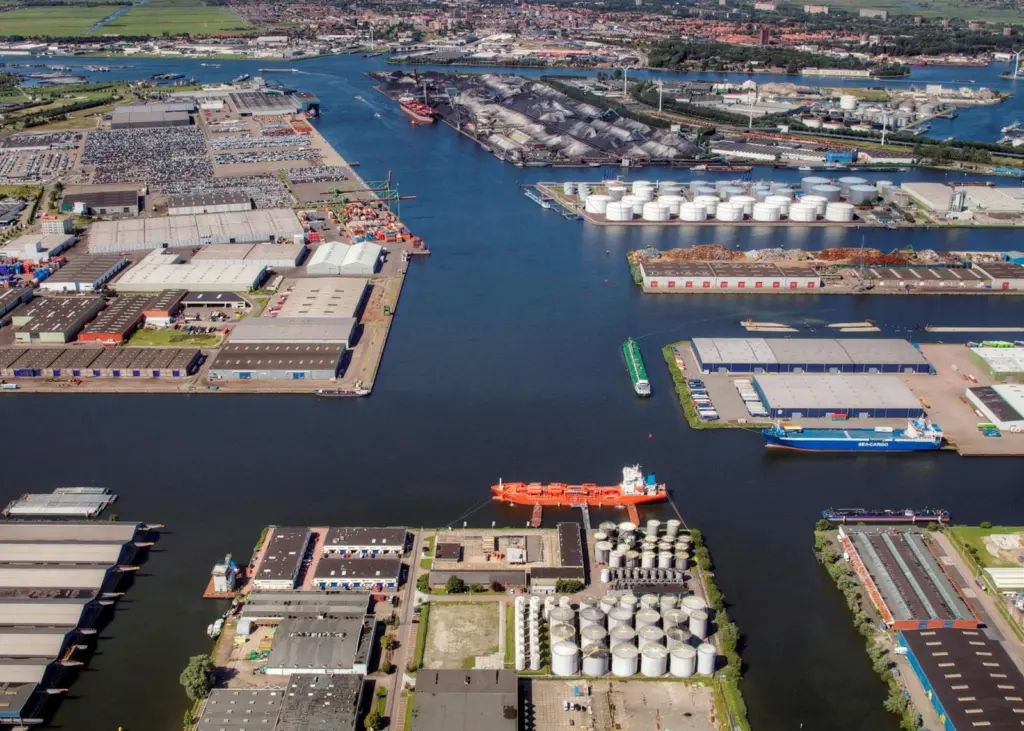
Under the Dutch law, revenues from activities carried out by public bodies are exempt from corporate tax, but the European Commission has questioned whether this exemption is in line with EU state aid rules. The Commission revealed it has concerns that exempting certain companies merely because they are publicly owned may give them an advantage over their private competitors.
“The Commission needs to verify that public companies, including port operators, in the Netherlands are not given more favourable tax treatment than their private competitors,” said Joaquín Almunia, vice president in charge of competition policy, European Commission. “Furthermore, there should be a level-playing field between ports in the EU, so it is important to make sure that state aid rules are being complied with in all Member States.”
Since a string of complaints in 2013, the Dutch authorities have expressed their intention to subject public companies to corporate tax but under their plans a number of exceptions would remain, notably for five Dutch seaports: Rotterdam, Amsterdam, Zeeland, Groningen and Moerdijk.
A spokesperson for Port of Amsterdam told Port Strategy: “A level playing field for all European harbours is crucial, because in that way there will be a fair competition. According to several studies, harbours in other countries receive much more support. We are waiting for the results of the European Union investigation and will respond in more detail.”
On the back of this, the Commission has sent a questionnaire to Member States to gain a better overview of the corporate tax systems applicable to ports.
Its investigation has so far revealed that that sectorial tax exemptions for ports also exist, like reduced tax rates. In certain Member States, ports are not subject to corporate tax but to an alternative tax regime that might be more favourable. In other States, ports don’t pay any corporate taxes because they are loss-making. This raises questions about whether the public financing of those ports, for example, the recurrent compensation of their losses, respects EU state aid rules, says the Commission.
Letters have now been sent to Belgium and France as first steps to ensure that ports in these countries do not benefit from unjustified corporate tax advantages. In Germany, ports appear to be subject to corporate tax but the Commission is awaiting more information.
The Commission is also continuing its investigation into the functioning and taxation of ports in other Member States and says it will take the necessary steps to ensure fair competition between all ports in the EU.
Related Articles
 PORT & TERMINAL NEWS
 EXPANSION & DEVELOPMENT
 PORT & TERMINAL NEWS