

Shore side power for Vancouver
Port Metro Vancouver is to install shore side power facilities at two of its container terminals, a move which is expected to reduce greenhouse gas emissions by 75 tonnes per connection.
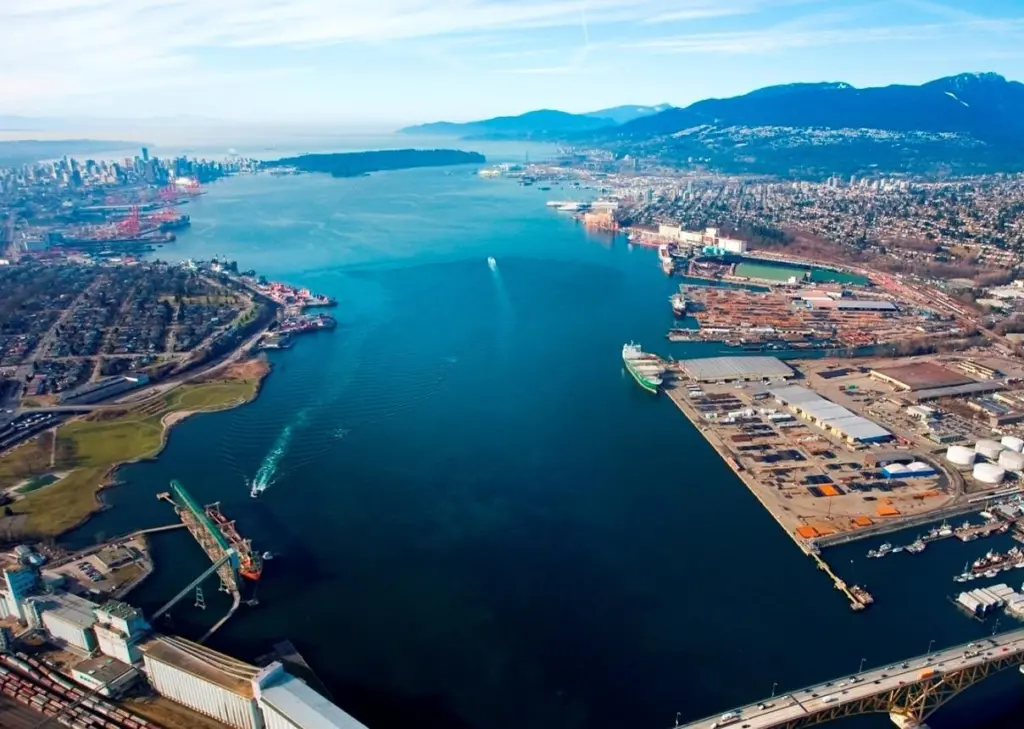
The new facilities will be funded by the Government of Canada and Port Metro Vancouver and will be installed by BC Hydro, Global Container Terminals – operators of Deltaport terminals – and DP World Vancouver, operators of Vancouver’s Centerm.
Robin Silvester, president and chief executive officer, Port Metro Vancouver, said: “The installation of shore power at container terminals in Vancouver and Delta represents another positive step in ongoing work to reduce marine shipping emissions, work that has resulted in significant improvements in Metro Vancouver air quality.”
Keith Anderson, vice-president, customer service, BC Hydro added that by working with Port Metro Vancouver and other stakeholders, it has developed a shore power electricity rate that will help promote the use of shore power to other ports like the container terminals in Delta and Vancouver.
Port Metro Vancouver was the first port in Canada to implement shore power for cruise ships, and since 2009, over 11,000 tonnes of greenhouse gas emissions have been avoided.
The use of shore power at Port Metro Vancouver container terminals contributes to Canada’s emission reduction targets and assists the port in reaching targets under the Northwest Ports Clean Air Strategy, a collaboration it has in place with the American ports of Tacoma and Seattle, to reduce emissions in the Puget Sound.
The total project funding is CAN$12 million, made up of CAN$6 million from Transport Canada’s Shore Power Technology for Ports Program and CAN$6 million from Port Metro Vancouver.
Both shore power operations are expected to be operation by March 2017.
Related Articles
 ALTERNATIVE FUELS GREENPORT
 ENERGY & TECHNOLOGY GREENPORT
 ENERGY & TECHNOLOGY GREENPORT