





A closer look at accident findings
When we at the European Shippers Council read the analysis of the MAIB report on the structural failure of the MSC Napoli, we came across some important additional findings that have been undeservedly neglected in the current container weight debate.
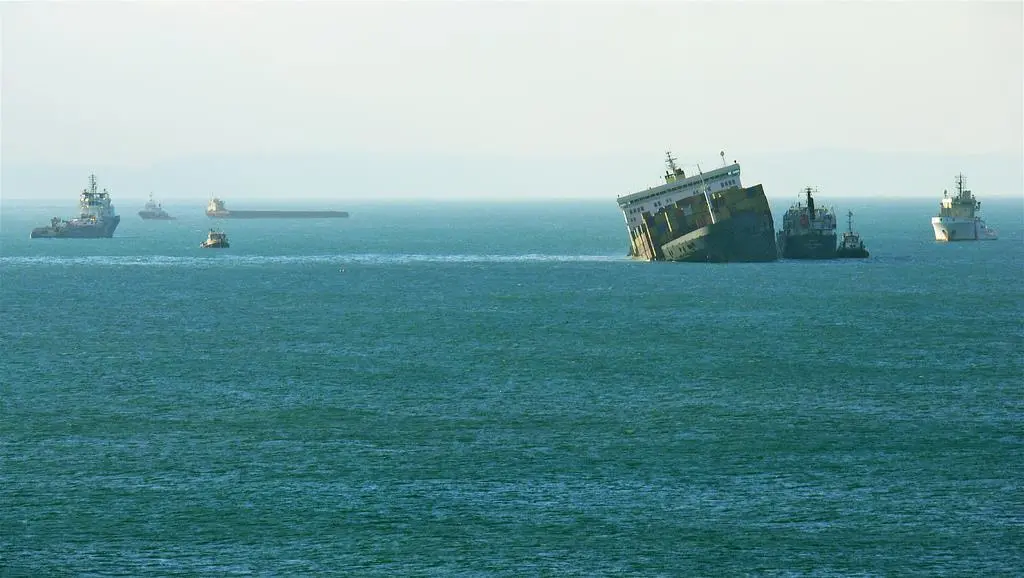
For instance, it is stated in the report that it is generally agreed within the container industry that up to 10% of containers loaded on to a vessel might not be allocated to the correct stack. So if all shippers declare their weights 100% correctly, 10% of these boxes will still end up in a different place on the ship to the space allocated to them by the stowage plan.
If perfect knowledge of the weight of containers is that essential for the safety of the ship, we wonder why the industry is willing to live with this 10% margin of incorrectly stowed container.
Another finding in the MAIB report on the capsizing of the MSC Napoli is that various reliable data indicates that the practice of arriving and departing from berths with ship stresses in excess of permissible seagoing levels is commonplace within the containership industry. Further, it is accepted that some vessels remain above the maximum seagoing limit when in open water, particular when the distance between terminals is short.
The MSC Napoli report also stated that earlier repairs on the ship’s hull, although obligatory, were not reported. Therefore symptoms of the poor state of the ship’s girders and buckling of the plates did not lead to further investigations into possible design problems.
Related Articles
 TERMINAL OPERATIONS
 CONTAINER & CARGO HANDLING
 NEWS
NEWS