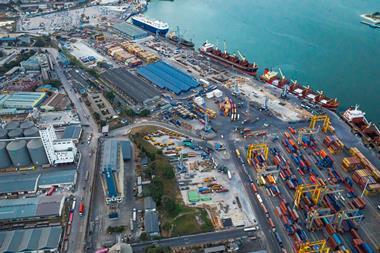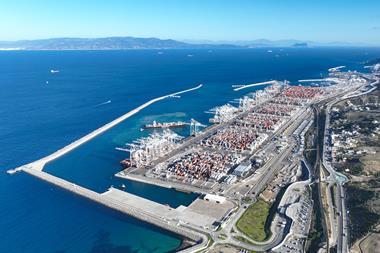
Durban is home to two of the region’s busiest container terminals – Durban Container Terminal and Pier 1. Transnet is currently re-engineering the port to increase capacity to 2.9m teu.
This project will include the purchase of six quay cranes and 14 rubber-tyred gantry cranes at Pier 1, deepening the port to between 12 m and 19 m, and widening of the harbour from 121 m to 220 m so the port can accommodate container vessels of up to 9,200 teu.
As one of the biggest ports in the southern hemisphere, Durban, according to maritime experts, still has huge potential to develop as a container hub serving regional markets in southern Africa as well as global export markets.
Transnet says emphasis should be placed on value-added activities in the industrial complex surrounding the port; imported goods and raw materials being re-exported after value addition, as is the case at the Port of Singapore. Durban’s prime location between the Asian and American markets is a huge advantage the future development and expansion.
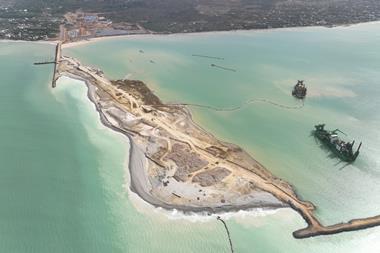
While Transnet has pumped billions of Rand into the development of Ngqura and the widening and deepening of Durban’s waters, the South African parastatal is pumping millions more into other port development projects across the country.
In a major investment at Cape Town, capacity at South Africa’s second busiest port has been more than doubled to 1.4m teu. Efficiency has also been increased through the merger of the container terminal and the multipurpose terminal. Cape Town is the primary port for perishable cargo in southern African, with the container facilities ranked as the region’s most important reefer facility.