

American ports commit to zero-emissions
Four ports in North America are jointly committing to phasing out emissions from seaport-related activities by 2050.
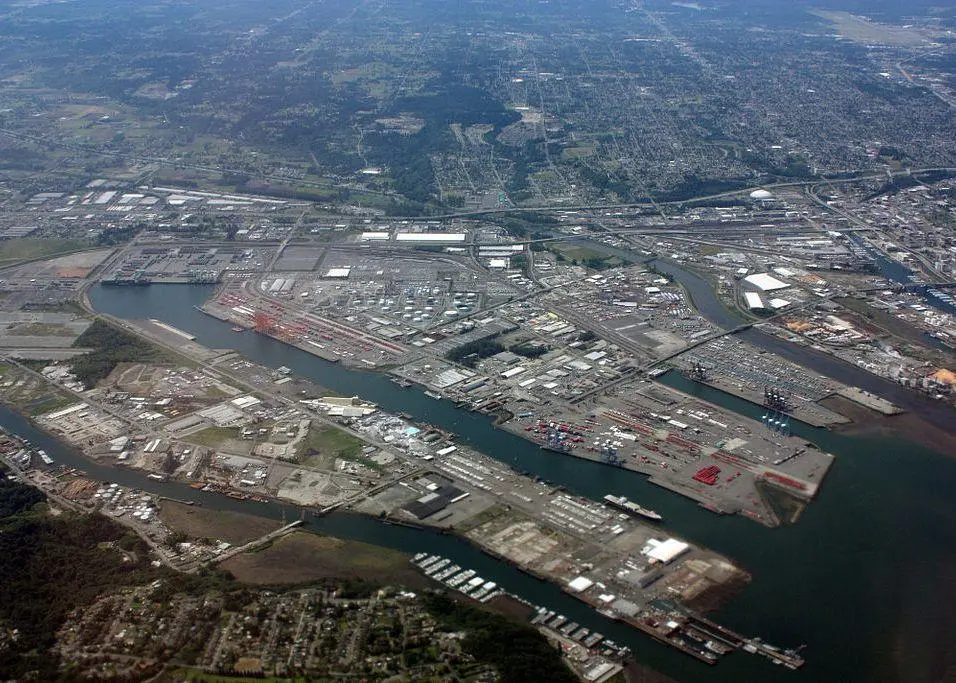
The ports of Vancouver, British Columbia, Tacoma, Seattle, and the combined container operations of the Northwest Seaport Alliance are involved. The Northwest Ports Clean Air Strategy seeks to meet this target through changes in equipment, fuels, and infrastructure, supporting cleaner air for local communities and fulfilling the ports’ shared responsibility to help limit global temperature rise to 1.5 degrees Celsius.
Dick Marzano, Port of Tacoma commission president and co-chair of The Northwest Seaport Alliance, said: “Through the Northwest Ports Clean Air Strategy, ports have a blueprint to do their part by helping to protect air quality and responding to the international call to take action on climate change.”
Collective goals
First adopted in 2008, the Northwest Ports Clean Air Strategy created a means for the four Northwest Ports to work collectively and voluntarily to reduce emissions. The Strategy covers six sectors of port activity: oceangoing vessels, cargo-handling equipment, trucks, harbour vessels, rail, and port administration and tenant facilities.
Over the last decade, the Strategy has achieved significant results. The 2013 Strategy set targets to reduce diesel particulate matter (DPM) and greenhouse gas (GHG) emissions per metric ton of cargo by 80% and 15%, respectively, relative to 2005 levels. The reductions can be attributed to changes in international, national, and provincial regulations, industry action, and port policies and programmes to accelerate the turnover of older equipment and use of cleaner fuels.
The Northwest Ports will each release port-specific plans to implement the 2020 Strategy vision and objectives across their unique operations and businesses and will continue to report annually on the progress.
Related Articles
 ALTERNATIVE FUELS GREENPORT
 OPERATIONS
 ALTERNATIVE FUELS GREENPORT