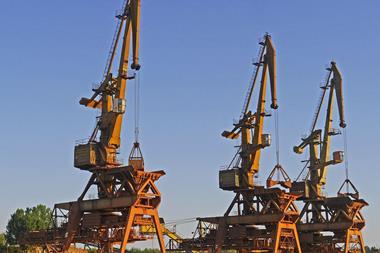


AP Moller Maersk has cited “commercially challenged terminals” as one of the reasons APM Terminals reported a loss of USD$264m in Q2 2017.
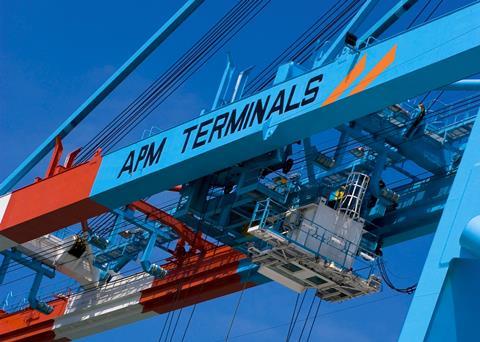
On 27 June, APM Terminals was hit by the global ‘NotPetya’ virus which effectively forced Maersk to shut down APMT’s operations for three days.
In its interim financial report for the period, Maersk stated that this action was taken for “precautionary measures”, confirming: “These system shutdowns resulted in significant business interruption during the shutdown period, with limited financial impact in Q2, while the impact in Q3 is larger, due to temporary lost revenue in July.
“While the businesses were significantly affected by this cyber-attack, no data breach or data loss to third-parties has occurred.”
The transport and logistics giant stated in its report that this loss and a negative ROIC of 5% (positive 5.8%) was influenced by impairments of USD$250m (USD$8m) in a few commercially challenged terminals, partially offset by a divestment gain of USD$34m.
The underlying profit of USD$98m (USD 109m) was negatively impacted by loss of customers in a few terminals, Maersk confirmed in its report.
It said its loss was partially offset by divestment gain of USD$34m.
Referring to Maersk’s overall revenue, it stated: “Revenue increased by USD 743m to USD 9.6bn with a significant increase of USD 1.0bn or 21% in Maersk Line and an increase of USD 90m in Maersk Oil, partly offset by a decrease of USD 217m in Maersk Drilling and USD 75m in APM Terminals.”
Maersk confirmed that as a result of the virus, “more normalised operations” for Maersk Line, Damco and APM Terminals did not commence until 3 July.