

An Australian port is at risk of becoming a monopolist without constraint, the chair of the Australian Competition & Consumer Commission (ACCC) has said.
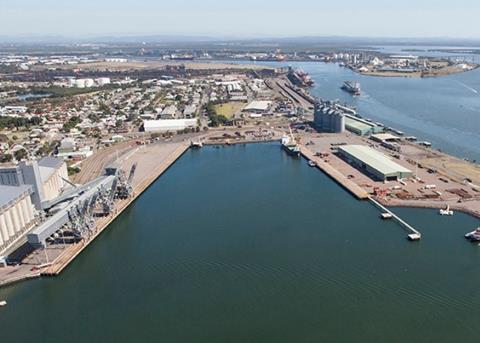
Speaking at the Australasian Transport Research Forum on the ACCC’s perspective on multiple transport issues, Rod Sims noted the National Competition Council’s (NCC) recent recommendation to revoke the declaration of the shipping channel service at the Port of Newcastle in New South Wales, which has now occurred. This means the port's private operators can set their own fees for ships using the channel and the ACCC will no longer rule on pricing disputes between the port's owners and users.
“A monopolist that controls this type of bottleneck infrastructure, operating without any regulation, has a clear incentive to maximise profits by raising prices even if this means reduced volumes or less use of their service,” said Mr Sims.
“Deeply concerned”
“It is bad for the economy when bottleneck infrastructure, at the end of a crucial value chain, is in the hands of a company with unfettered market power,” he said.
“How is it that Australia, much more so than other countries we compare ourselves to, allows this?”
“We are deeply concerned about what this means for users of the service, as it will cause companies to limit investment in related markets as a result. In contrast, a declaration would constrain monopoly pricing and promote investment by providing a credible threat of arbitration.”
Mr Sims’ speech covered a range of transport issues including protection of shipping lines coordinating their behaviour.
The ACCC ordered the Port of Newcastle to lower its prices by 20% last year, following concern raised by mining firm Glencore.
In July, the New South Wales government affirmed its decision to develop Port Botany, following the Public Works Committee’s (PWC) recommendation that the NSW Government conduct a review of the state's ports policy, including the potential for a container terminal at the Port of Newcastle, after its inquiry into the impact of Port of Newcastle sale arrangements on public works expenditure in New South Wales.