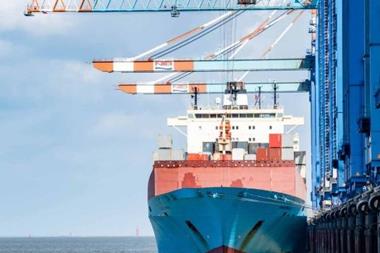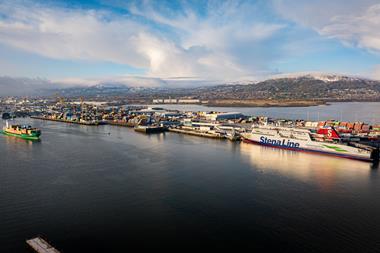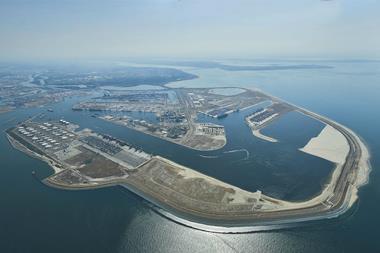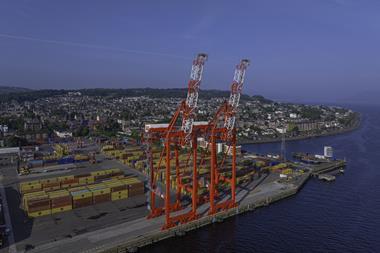
The British Ports Association’s (BPA) chief executive has stressed that “the freight sector needs to understand exactly what border requirements there will be from January 2021" as Brexit proceeds.

Richard Ballantyne said that “it is now almost inevitable that the promise of continued ‘frictionless trade’ will not be met”. Responding to Brexit developments on 3 February, including Prime Minister Boris Johnson’s speech in Greenwich, the BPA has called on the government to clarify the mixed messages on trade and set out a positive and detailed vision for the UK’s trade and industrial policy.
“The clock is ticking and the freight sector needs to understand exactly what border requirements there will be from January 2021,” said Mr Ballantyne.
“We have an excellent relationship with the various parts of Government that are planning for Brexit but now we need a clear and detailed statement on their positive vision for UK trade and industrial strategy – with Europe and the world – and how that will affect industries that rely on free-flowing trade through UK ports.”
Government stance
On the subject of a future trading relationship with the EU, Mr Johnson said that the UK had made its choice, commenting "we want a comprehensive free trade agreement, similar to Canada’s”.
Canada’s trading relationship with the EU is a free-trade agreement and includes some measure of alignment, although the BPA noted that Mr Johnson seemed to suggest that the UK is not seeking “alignment of any kind”.
“Ports and traders need to know what the Government is aiming for when it comes to equivalence, regulatory alignment and agreeing a level playing field – which are not the same thing,” commented Mr Ballantyne.
The BPA believe that while most ports will not see major congestion even in the worst scenarios, disruption at certain ports may mean increased costs for traders, manufacturers and ultimately potentially consumers.