



California ports cautious after volume loss
Ports in California are seeing significant cargo volume decreases as COVID-19s impact on shipping becomes clearer, although not all ports have suffered.
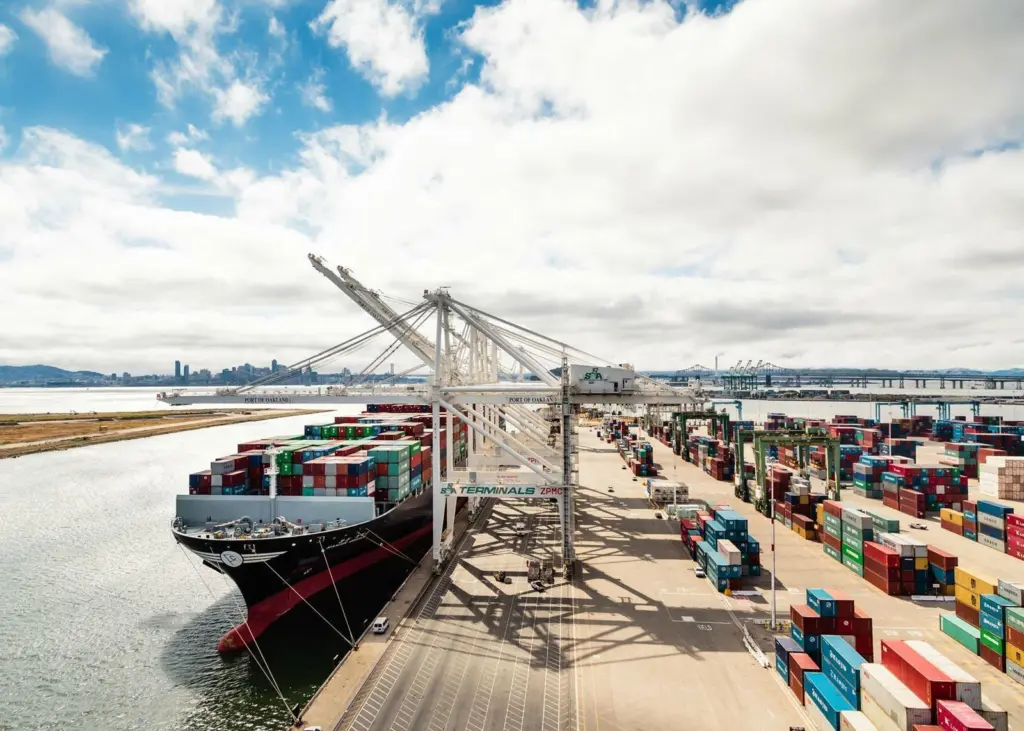
Port of Oakland loaded container volume decreased 12.7% last month from May 2019 totals.
The port pointed to lower consumer demand in domestic and foreign markets, both driven by COVID-19 pandemic uncertainty, as the main reason for declining trade volume.
“Since March, the Port has seen indications of more significant cargo declines, so the May results are not unexpected,” said Port of Oakland Acting Maritime Director Delphine Prevost.
Overall, the January-to-May 2020 cargo statistics show a 7.8% decrease compared to the same time period in 2019.
Los Angeles
The Port of Los Angeles moved 581,665 TEUs in May, a 29.8% decrease compared to last year’s record-setting May. Five months into 2020, overall cargo volumes have decreased 18.6% compared to 2019.
“Compared to last May’s historic volumes, the surge in canceled sailings due to COVID-19 and the trade war, along with shifts in liner services, all contributed to significantly softer volumes,” said Port of Los Angeles executive director Gene Seroka.
Los Angeles Board of Harbour Commissioners has approved a US$1.5bn budget for Fiscal Year (FY) 2020/21.The budget is based on expectations of slower cargo volumes in the near term and a continued slowdown in the worldwide economy, due to market uncertainties related to the COVID-19 pandemic and the lingering impacts from the 2019 trade war.
Long Beach
In contrast, cargo shipments rose at the Port of Long Beach in May as the economic effects of COVID-19 started to subside.
Dockworkers and terminal operators moved 628,205 TEUs of container cargo last month, a 9.5% increase from May 2019. Imports grew 7.6% to 312,590 TEUs, while exports climbed 11.6% to 134,556 TEUs. Empty containers headed back overseas jumped 11.4% to 181,060 TEUs.
The port has moved 2,830,855 TEUs during the first five months of 2020, 5.9% down from the same period in 2019.
“Our strong numbers reflect the efforts of our Business Recovery Task Force, which is setting the path for efficient cargo movement and growth,” said Mario Cordero, executive director of the Port of Long Beach.
Related Articles
 PORT & TERMINAL NEWS
 PORT & TERMINAL NEWS
 OPERATIONS