The city of Chennai, India has seen some of the heaviest and deadliest rainfalls in decades, with the flooding resulting in the death of more than 400 people.
Floods led to the collapse of the local road and rail transportation system, as well as mobile phone connections being cut off.
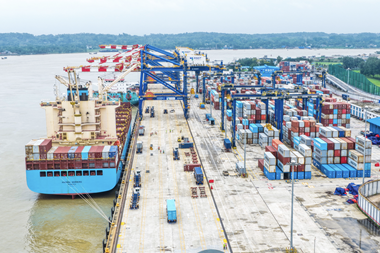
Paul Haegeman, managing director of GAC Indi, told Port Strategy: “There have been some delays on the heaviest flood days. At container terminals, gantry crane operations were halted during the worst downpours.”
“Delivery of import containers from the container yard to container freight stations outside the port was disrupted due to severe restrictions at the terminal gate because of rain and the evacuation of boxes from the container yard was delayed because of damage to roads and waterlogged junctions and the container freight stations,” he continued.
Export containers were not available in the container yards and some vessels had to sail with fewer or no containers.
Importers and exporters were claiming waiver of detention and storage charges from all carriers and container freight stations. Although it was said that freight stations were reluctant to waive charges as they also suffered damage.
Mr Haegeman said: “Things are slowly returning to normal, but there is still considerable flood damage to roads and a few container freight stations are still waterlogged, with the inevitable impact on operations.”
Although the port area suffered no significant damage or losses, many manufacturing units and industries are still assessing the damage they suffered and the financial impact.
“The impact of the floods has been all along the supply chain - importers, exporters, carriers, forwarders, warehouses and container freight stations,” concluded Mr Haegeman.